Helping Dogs Cope with Aging-Related Cognitive Decline
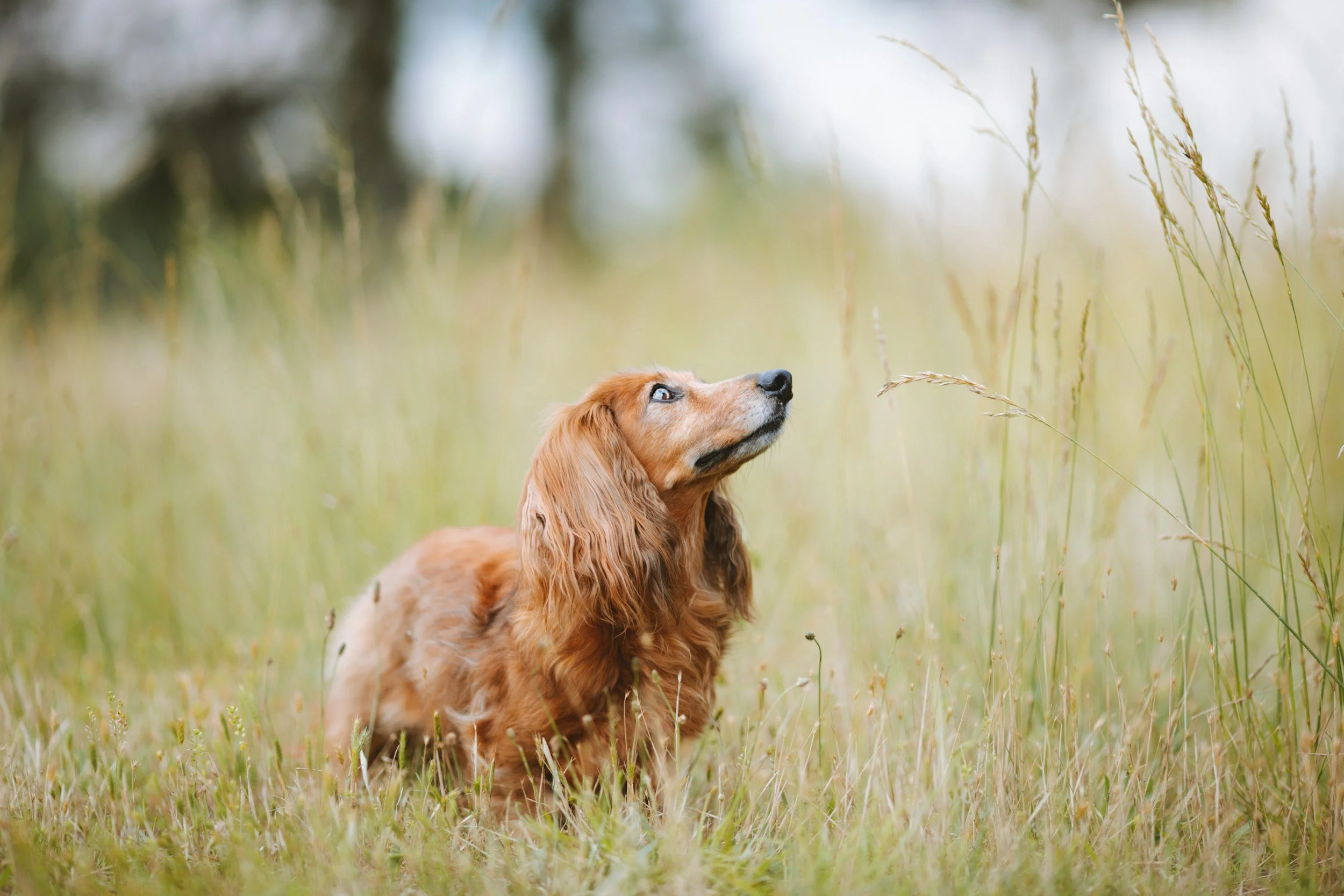
A senior dog looking thoughtful — a reminder of the importance of supporting brain health through every stage of aging.
As dogs grow older, just like humans, they may experience cognitive decline — changes in memory, awareness, and behavior that affect their quality of life. This condition, often referred to as canine cognitive dysfunction (CCD), can be challenging for both dogs and their owners. But with the right support, it’s possible to help aging dogs maintain mental sharpness and emotional balance.
Denise Bozenski, founder of Revive & Thrive Canine Wellness, explains, “Cognitive decline is a natural part of aging, but it doesn’t have to define your dog’s golden years. With holistic strategies, we can support brain health and enrich their daily lives.”
Learn more about Denise HERE!
What is Canine Cognitive Dysfunction?
CCD is a neurodegenerative condition that causes symptoms similar to dementia in humans. Dogs may show confusion, disrupted sleep patterns, decreased interaction, and changes in housetraining. Recognizing these signs early allows for timely intervention.
Signs to Watch For
Common symptoms include:
- Disorientation or getting “lost” in familiar places
- Decreased responsiveness to commands or social cues
- Increased anxiety or restlessness, especially at night
- Changes in sleep-wake cycles
- Loss of house training or increased accidents
- Decreased interest in activities or toys
Holistic Strategies to Support Cognitive Health
Nutrition for the Aging Brain
Feeding a diet rich in antioxidants, omega fatty acids, and essential nutrients supports brain function and reduces inflammation. Denise emphasizes, “Fresh food diets with targeted supplementation can help slow cognitive decline and improve quality of life.”
Learn more about the benefits of a fresh food diet in our blog, The Benefits of a Fresh Food Diet for Dogs: Raw & Home-Cooked.
Mental Enrichment
Regular mental stimulation through training, puzzle toys, and scent work keeps neural pathways active. “Engaging your dog’s brain daily is key to maintaining sharpness,” says Denise.
Physical Exercise
Gentle, consistent exercise improves circulation and supports overall brain health, boosting oxygen flow and nutrient delivery.
Learn how exercise is important in your dog's health in our blog, The Importance of Exercise for Dogs.
Natural Supplements
Supplements like antioxidants, B vitamins, and herbal extracts (such as turmeric and ginkgo biloba) may support cognitive function. Always consult a holistic coach or veterinarian to tailor supplementation.
Bodywork and Energy Healing
Massage, acupressure, and energy therapies promote relaxation, reduce anxiety, and improve circulation, supporting brain and nervous system health.
Learn more about how to care for your senior dog here, Caring for Senior Dogs: Helping Them Thrive in Their Golden Years.
Creating a Calm, Supportive Environment
Consistent routines, quiet spaces, and minimizing stressors help aging dogs feel secure and reduce cognitive overload.
Working With Professionals
“Early intervention is critical,” Denise stresses. “Working with a holistic pet health coach or integrative vet helps create a customized plan that fits your dog’s unique needs.”
Supporting your senior dog’s mental wellness enhances their comfort and joy in later years. Reach out to Revive & Thrive Canine Wellness for personalized strategies to keep your companion sharp, calm, and happy. Get started HERE!
FAQs
Can cognitive decline be reversed?
While CCD is progressive, many dogs experience slowed progression and improved symptoms with early, consistent care.
Are medications necessary?
Medications may be used in some cases, but holistic approaches focusing on diet, enrichment, and bodywork provide foundational support.
How can I tell if my dog has CCD?
Behavioral changes combined with veterinary exams and ruling out other medical issues can confirm diagnosis.