How Cupping Therapy Supports Canine Pain Relief
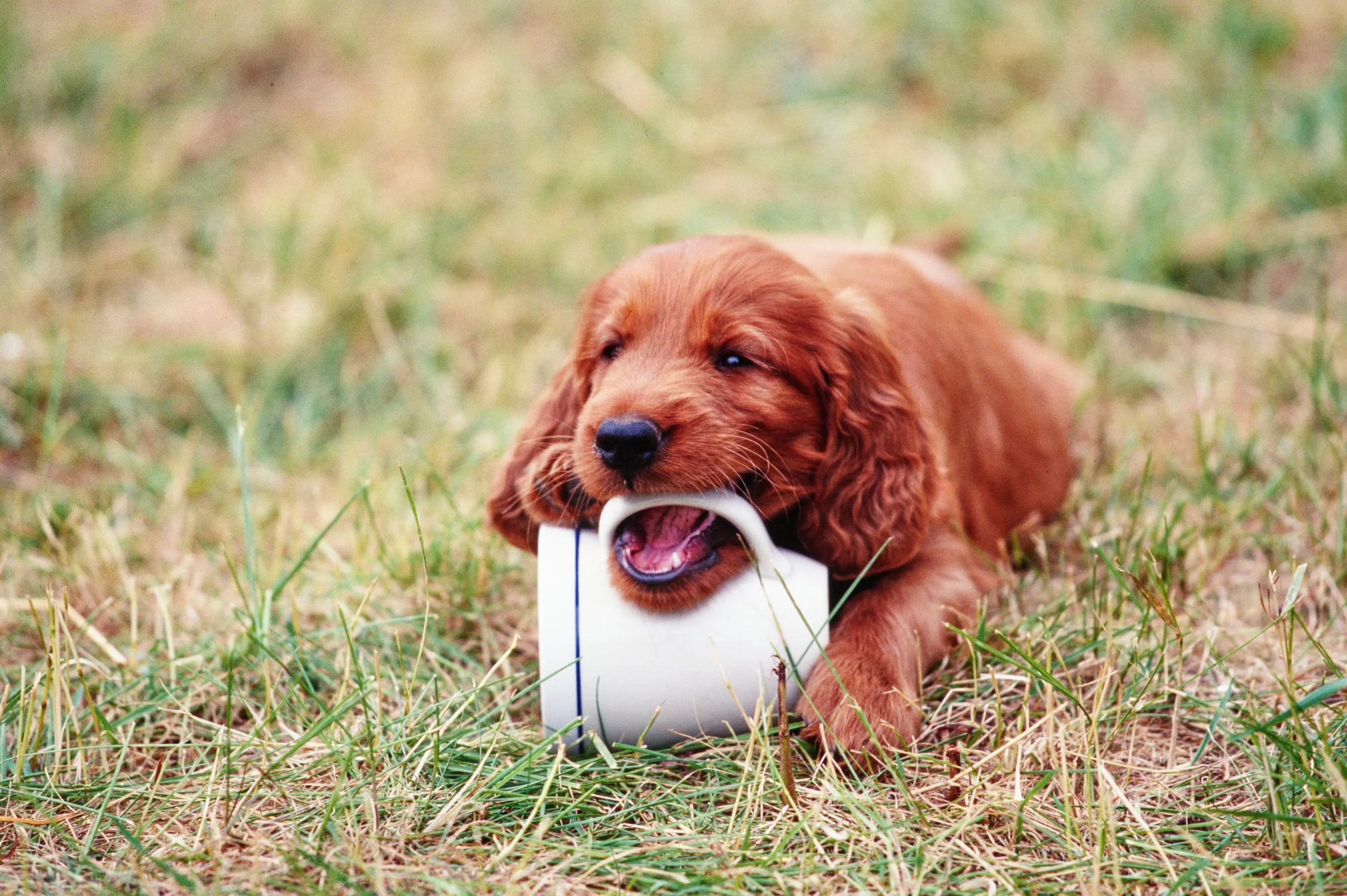
A curious puppy enjoys some chew time—while this mug isn’t a cupping tool, holistic therapies like cupping offer gentle, natural ways to support your dog’s wellness.
Cupping therapy is an ancient healing practice that’s gaining popularity in holistic canine care. By using gentle suction to stimulate circulation and release muscle tension, this non-invasive technique supports dogs dealing with pain, stiffness, or injury recovery. As part of a comprehensive wellness plan, cupping can enhance your dog’s comfort and mobility naturally.
Denise Bozenski, founder of Revive & Thrive Canine Wellness, notes, “Cupping offers a safe, effective way to complement other therapies and promote overall canine health.”
Learn more about Denise HERE!
What Is Cupping Therapy?
Cupping therapy is an ancient healing technique with roots in traditional Chinese medicine, Egyptian, and Middle Eastern cultures, dating back thousands of years. It involves placing suction cups on the skin to create a vacuum that gently lifts and separates the layers of tissue beneath. This suction effect increases blood circulation to the targeted area, stimulates the lymphatic system, and loosens tight muscles and fascia (the connective tissue surrounding muscles).
For dogs, cupping serves as a gentle way to address muscle tension, improve tissue flexibility, and promote natural healing processes. Unlike massage, which applies pressure by hand, or deep tissue work that targets muscles through manipulation, cupping specifically targets the fascia and connective tissues with its suction action—areas that can be difficult to reach manually.
This therapy encourages the body’s own repair mechanisms by increasing oxygen and nutrient delivery while helping to remove toxins and metabolic waste through enhanced lymphatic drainage. When integrated into a dog’s holistic wellness routine, cupping can support recovery from injuries, alleviate chronic pain, and improve mobility.
Denise Bozenski adds, “Cupping is a unique modality that complements other bodywork and rehabilitation therapies by targeting deeper tissues in a safe, non-invasive way.”
Learn about other bodywork therapies that cupping can complement in our blog, Holistic Bodywork Therapies to Enhance Your Dog’s Wellness.
Benefits of Cupping for Dogs
Improved Circulation and Healing
Cupping therapy enhances local blood flow, which delivers essential oxygen and nutrients directly to tissues in need of repair. This increased circulation also accelerates the removal of metabolic waste and inflammatory byproducts, helping reduce swelling and promote faster healing. For dogs recovering from surgery, injury, or chronic conditions like arthritis, improved circulation supports tissue regeneration and overall vitality.
Muscle Relaxation and Pain Relief
By creating suction that lifts and separates the fascia and muscle layers, cupping helps break up adhesions, muscle knots, and tension that contribute to discomfort. This release of tight tissue can improve flexibility and range of motion, reducing stiffness and soreness. Dogs experiencing muscle spasms, strain from activity, or age-related discomfort often benefit from the gentle yet effective relief cupping provides. Denise shares, “After cupping sessions, many dogs show noticeable improvements in movement and seem more comfortable and relaxed.”
Lymphatic Drainage and Detoxification
The suction from cupping stimulates the lymphatic system, which plays a critical role in immune function and detoxification. Enhanced lymphatic drainage promotes the removal of toxins, cellular debris, and excess fluids from tissues, reducing inflammation and supporting the body’s natural healing processes. This detoxifying effect contributes to improved immune response and helps maintain your dog’s overall wellness.
Complement to Other Holistic Therapies
Cupping therapy works synergistically with modalities such as acupuncture, myofascial release, and chiropractic care. By addressing fascial restrictions and promoting circulation, cupping enhances the effectiveness of other treatments. Integrating cupping into a broader holistic wellness plan supports balanced musculoskeletal health and helps your dog achieve optimal comfort and function.
Curious if acupuncture and acupressure are similar? Check out our blog, Acupressure vs. Acupuncture for Dogs: Benefits Explained, for more info!
What to Expect During a Cupping Session
A trained practitioner will apply suction cups, often made of silicone or plastic, to specific areas of your dog’s body. These cups create gentle suction that lifts the skin and underlying tissues. Sessions typically last 10-20 minutes and may involve stationary cups or gentle movement to mobilize tissues.
In some advanced cupping treatments, electric cups are used. These cups not only provide suction but also incorporate red light therapy. The red light penetrates deeper into the tissues, promoting cellular repair, reducing inflammation, and enhancing circulation simultaneously.
Denise explains, “Electric cups with red light therapy combine the benefits of suction and photobiomodulation. This dual approach can accelerate healing and improve comfort, especially for dogs with chronic pain or injury.”
Dogs usually tolerate cupping well and may relax deeply during treatment. You might notice temporary red or purple marks from increased blood flow, which typically fade within a few days.
Learn more about red light and cold laser therapy in our blog, Cold Laser Therapy for Dogs: Why It's Becoming More Popular.
Safety and Considerations
Cupping should only be performed by a professional experienced with canine anatomy. It’s important to avoid broken skin, infections, or areas with blood clotting disorders.
Always consult your holistic coach or veterinarian before starting cupping therapy to ensure it’s appropriate for your dog’s health status.
Final Thoughts
Cupping therapy offers a valuable, non-invasive option to support your dog’s overall wellness, especially for those dealing with pain, stiffness, or recovery from injury. By enhancing circulation, releasing muscle tension, and promoting detoxification, it complements other holistic therapies and contributes to a balanced approach to canine health. Always work with a qualified practitioner and consult your holistic coach or veterinarian to ensure cupping is right for your dog’s unique needs.
Integrating cupping into your dog’s wellness routine can support pain relief, healing, and mobility naturally. For personalized guidance on canine cupping therapy, contact Revive & Thrive Canine Wellness. Get started HERE!
FAQs
Is cupping painful for dogs?
Cupping is generally comfortable and non-invasive. Most dogs appear relaxed or calm during sessions.
How often should my dog receive cupping therapy?
Frequency depends on your dog’s condition but often ranges from weekly to monthly sessions.
Can cupping replace veterinary care?
Cupping is a complementary therapy and should not replace medical treatment or diagnosis.