Natural Ways to Support Dogs with Upset Stomachs
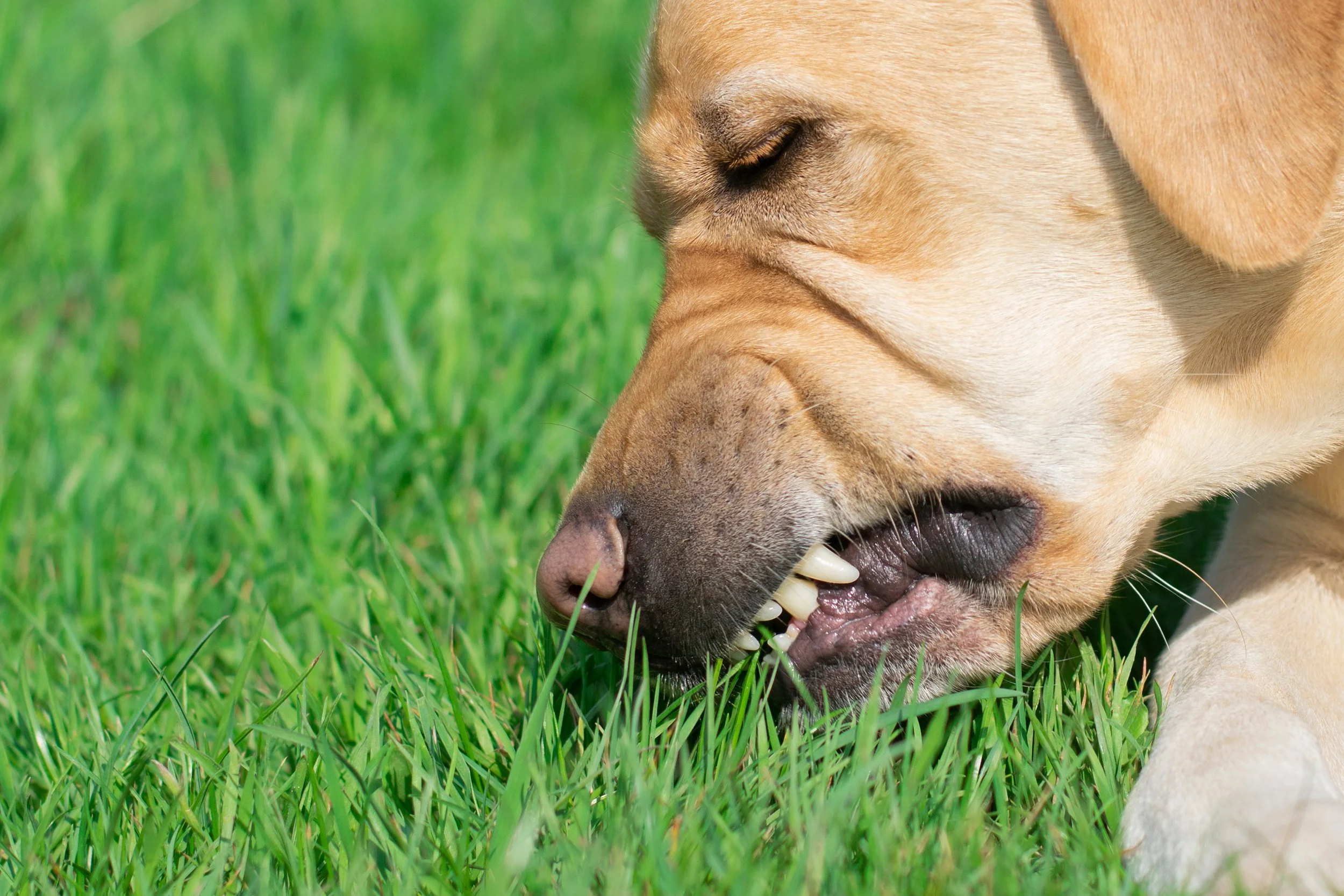
Soothe your dog's upset stomach naturally with gentle, holistic remedies for better digestion and well-being.
An upset stomach in dogs can be as unsettling for owners as it is for their furry companions. Vomiting, diarrhea, or simply not feeling like themselves are clear signs that something isn’t right. Fortunately, there are natural ways to help your dog feel better while addressing the root cause of their discomfort.
“When your dog experiences stomach issues, it’s often a sign that something in their diet or environment needs adjustment,” says Denise Bozenski, certified holistic pet health coach and owner of Revive & Thrive Canine Wellness. “By using natural remedies and making lifestyle changes, you can provide relief and promote long-term gut health.”
Learn more about Denise HERE!
Common Causes of Upset Stomachs in Dogs
Stomach troubles in dogs can result from a variety of factors, including:
- Eating something they shouldn’t, such as garbage or toxic foods.
- Stress or anxiety.
- Sudden dietary changes.
- Food intolerances or allergies.
- Parasites or infections.
For more on creating a stable digestive environment, check out Gut Health in Dogs: Why It's So Important.
Natural Remedies for Upset Stomachs
Fasting
A short fasting period of 12–24 hours can help your dog’s stomach reset. “Allowing the digestive system to rest gives the body a chance to heal,” Denise explains. Always ensure your dog has access to fresh water during fasting.
Bone Broth
Bone broth is an excellent option for soothing an irritated stomach while providing essential nutrients. Its anti-inflammatory properties can help reduce discomfort.
Pumpkin or Sweet Potato
Canned pumpkin (unsweetened) or cooked sweet potato is gentle on the stomach and can help firm up loose stools.
“Pumpkin is rich in fiber and soothing for upset tummies,” Denise says. “It’s a staple in many holistic pet care regimens.”
Probiotics
Adding a dog-safe probiotic to their diet can restore healthy gut bacteria. Probiotics are particularly useful after digestive upsets caused by antibiotics or illness.
Slippery Elm Bark
Slippery elm bark is a natural herb that coats and soothes the stomach lining. Mix a small amount with water and give it to your dog as a paste.
Hydration with Electrolytes
Keeping your dog hydrated is crucial, especially if diarrhea or vomiting has occurred. Consider adding a dog-safe electrolyte solution to their water to replenish lost fluids.
Calming Herbal Supplements
Stress-induced stomach issues can benefit from calming herbs like chamomile or valerian root. These herbs can help relax the digestive system and reduce anxiety.
Preventing Future Stomach Upsets
Prevention is always better than cure. By taking a proactive approach, you can minimize your dog’s risk of stomach troubles.
Stick to a Consistent Diet
Sudden changes in diet can disrupt your dog’s digestion. Gradually transition to new foods to avoid upsetting their stomach.
Focus on Gut Health
A strong gut is the foundation of overall health. Incorporate fermented foods or probiotics into your dog’s routine to maintain a healthy microbiome.
Holistic Wellness Practices
“Holistic care addresses the root causes of stomach issues,” Denise notes. “This can include evaluating their diet, stress levels, and exposure to toxins.”
Sometimes Less Is More
Upset stomachs are common but manageable with natural remedies and preventive care. From soothing pumpkin to holistic practices, these solutions can help your dog recover and maintain a healthy gut.
“By taking a holistic approach, you’re not just treating the symptoms—you’re addressing the underlying causes and promoting long-term health,” says Denise.
For more on holistic pet care, visit Exploring Holistic Pet Health Care.
Frequently Asked Questions
Can I give over-the-counter medication for my dog’s upset stomach?
It’s best to consult your vet before giving any medication. Many natural remedies, like pumpkin or slippery elm bark, can be effective alternatives.
How do I know if my dog’s upset stomach is serious?
If your dog is lethargic, vomiting persistently, or showing signs of dehydration, consult your vet immediately.
How can I prevent stomach issues in the future?
Focus on a consistent diet, promote gut health with probiotics, and avoid feeding your dog table scraps or foods they’re not accustomed to.
To stay up on the latest expert advice for all things holistic dog wellness and care, subscribe to our newsletter!