Holiday Travel and Stress: Supporting Your Dog’s Well-Being
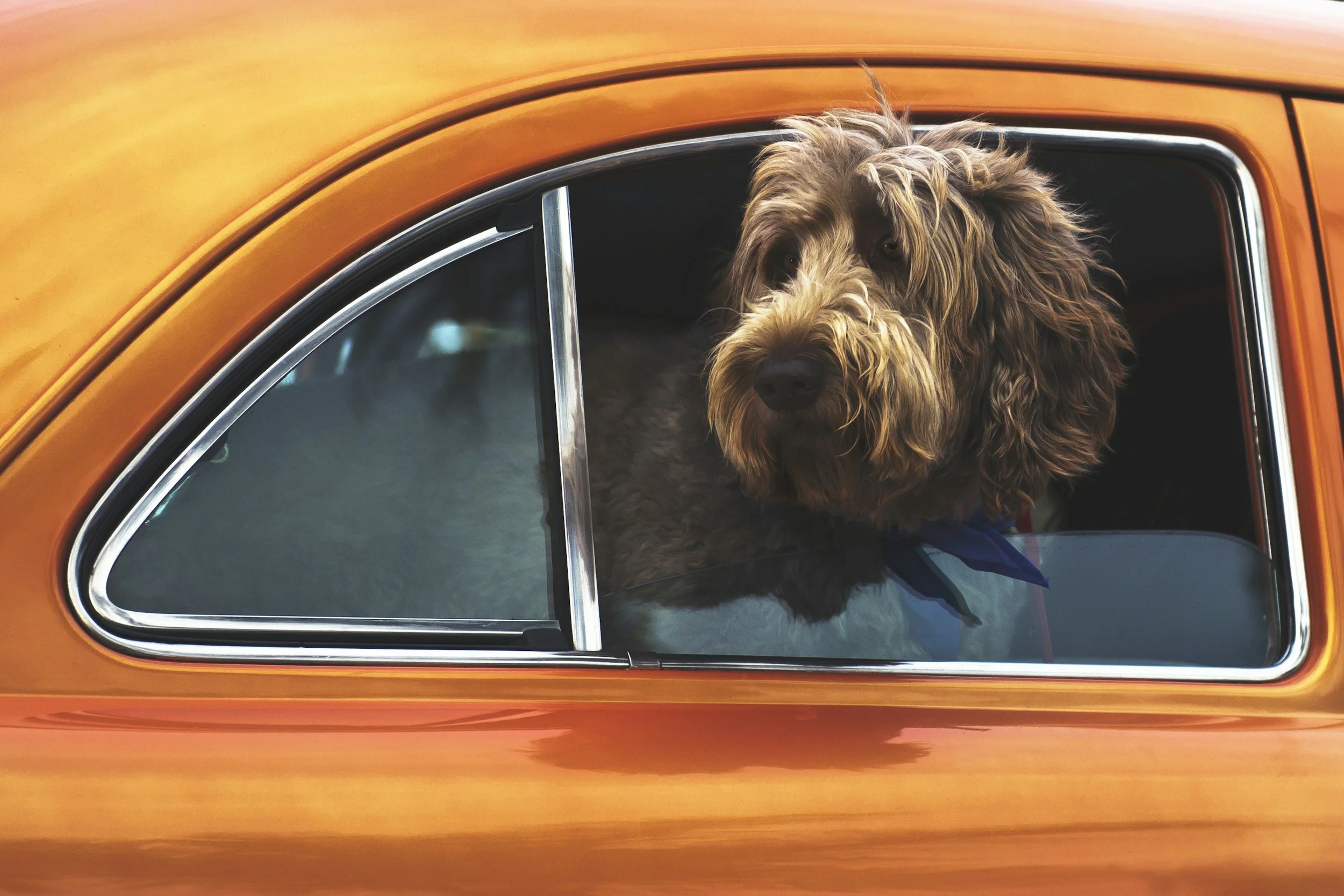
A calm, comfortable dog on a car ride benefits from familiar scents and gradual travel preparation to reduce holiday stress.
The holiday season often means travel, new environments, and disrupted routines for dogs—factors that can increase stress and impact their health. Helping your canine companion navigate holiday travel with ease is essential to maintaining their comfort and well-being.
Denise Bozenski, founder of Revive & Thrive Canine Wellness, explains, “Holiday travel can be overwhelming for dogs due to changes in routine, unfamiliar places, and increased noise and activity. Preparing ahead with holistic strategies supports their emotional and physical health.”
Learn more about Denise HERE!
Why Holiday Travel Causes Stress in Dogs
Travel often involves unfamiliar sights, sounds, and smells, plus time in vehicles or planes. This sensory overload combined with changes in daily routine can trigger anxiety, nausea, or behavioral changes.
Denise shares, “Dogs thrive on predictability, so the disruption of travel can challenge their sense of security.”
Signs Your Dog Is Stressed During Travel
- Panting, drooling, or pacing
- Whining or barking excessively
- Vomiting or diarrhea
- Hiding or clinginess
- Restlessness or refusal to eat
Denise explains, “Recognizing these signs early allows owners to intervene and provide comfort.”
Holistic Strategies to Support Dogs During Holiday Travel
Prepare Your Dog Gradually for Travel
Before the busy holiday season, help your dog become comfortable with travel by taking short car rides or crate time sessions. Gradually increasing duration and exposure reduces anxiety and builds positive associations.
Denise advises, “Building your dog’s travel tolerance over time is key. Start with brief, low-stress outings and reward calm behavior to create a sense of safety.”
Maintain a Consistent Routine as Much as Possible
Even away from home, keeping feeding, exercise, and potty breaks on a regular schedule helps your dog feel grounded. Predictability reduces stress and supports digestion and elimination.
Denise shares, “Dogs thrive with routine. Replicating their daily rhythm in new environments eases anxiety and promotes overall wellness.”
Use Natural Calming Aids and Supplements
Holistic tools like pheromone sprays, calming essential oils (used safely), CBD oil, or herbal blends with chamomile or valerian root can support relaxation. Always choose products made for dogs and consult your coach or vet before use.
Denise notes, “Natural calming aids can gently ease stress responses without side effects typical of pharmaceuticals.”
Read more about the benefits of CBD in our blog, The Benefits of CBD for Dogs and Why Quality Matters.
Create a Familiar, Safe Space
Bring your dog’s favorite bed, toys, or a worn blanket carrying their scent. These familiar smells provide comfort and a feeling of security amidst unfamiliar surroundings.
Denise explains, “A comforting scent is like a home base for dogs, helping them stay calm when everything else feels uncertain.”
Monitor Hydration and Nutrition Closely
Travel can disrupt normal eating and drinking habits, increasing risk of dehydration or digestive upset. Offer water frequently, and feed easily digestible meals that support gut health—think homemade broth or light, warming foods.
Denise recommends, “Supporting digestion and hydration during travel prevents discomfort and keeps energy steady.”
For a different idea on hydration, read our blog, Bone Broth for Dogs: A Holistic Boost for Health and Healing.
Practice Gentle Handling, Bodywork, or Acupressure
Light massage, acupressure, or myofascial release techniques before and after travel can ease muscle tension and promote relaxation.
Denise shares, “Hands-on support helps your dog release built-up stress physically and emotionally, complementing other calming strategies.”
Curious which bodywork therapies can help your dog? Check out our blog, Holistic Bodywork Therapies to Enhance Your Dog’s Wellness.
Plan for Breaks and Exercise Opportunities
During long car trips or layovers, schedule regular breaks for bathroom needs, stretching, and mental engagement. Movement helps regulate stress hormones and keeps muscles from stiffening.
Denise emphasizes, “Frequent short walks and mental breaks help maintain your dog’s balance and prevent travel fatigue.”
When to Consult a Professional
If your dog experiences severe travel anxiety or physical symptoms, seek guidance from a holistic pet health coach or veterinarian.
Denise concludes, “Planning ahead and supporting your dog holistically can transform holiday travel from stressful to manageable for both of you.”
Supporting your dog’s well-being during holiday travel ensures a joyful season for your whole family. Ready to make your travel plans stress-free? Contact Revive & Thrive Canine Wellness for personalized support. Get started HERE!
FAQs
Can all dogs travel safely during holidays?
Most dogs can travel with preparation, but some may need extra support or alternative arrangements.
Are calming supplements safe for all dogs?
Always consult a professional to ensure supplements are appropriate for your dog’s health.
How can I help a dog that gets car sick?
Gradual exposure, proper hydration, and anti-nausea remedies prescribed by a vet can help.