Holistic Flea and Tick Prevention Tips for Spring
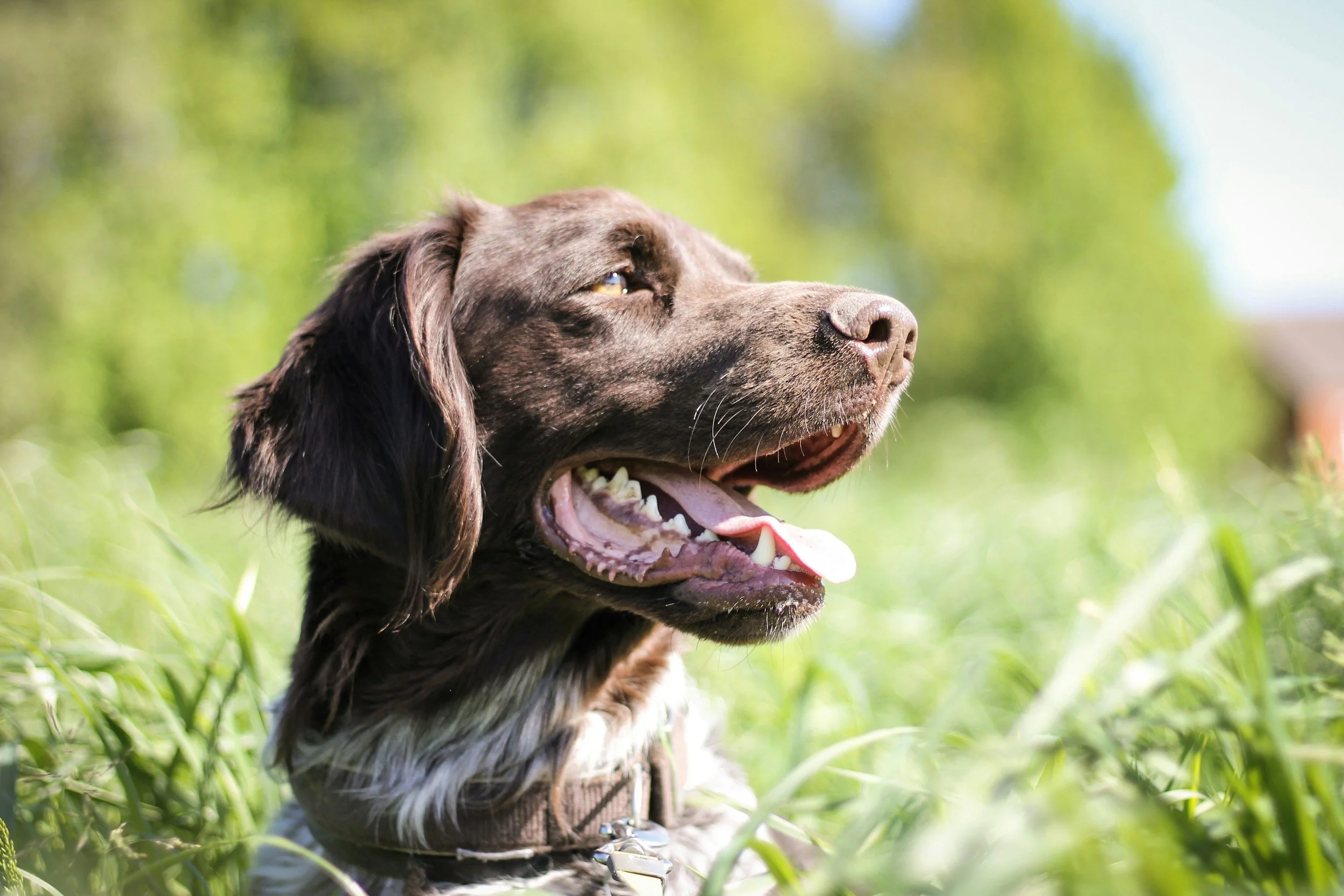
Creating a flea- and tick-free spring the holistic way: happy, healthy, and chemical-free!
Spring brings warmer weather, blooming flowers—and unfortunately, an uptick in flea and tick activity. Protecting your dog naturally is possible with a thoughtful, holistic approach that supports their overall health without exposing them to harsh chemicals.
At Revive & Thrive Canine Wellness, we believe prevention starts from the inside out. In this blog, we’ll cover holistic strategies to help your dog thrive during flea and tick season.
The Importance of a Strong Immune System
When a dog’s immune system is strong, they're naturally less attractive to fleas and ticks. A healthy body sends out different signals—making your dog a less appealing target.
Denise Bozenski, owner and holistic practitioner at Revive & Thrive Canine Wellness, shares, “We always focus on building resilience from within first. A strong immune system is your dog’s best first line of defense against pests.”
Learn more about Denise HERE!
Strategies to boost immune health include:
- Feeding a fresh, species-appropriate diet
- Supplementing with immune-supportive herbs like astragalus or medicinal mushrooms
- Providing regular bodywork sessions to reduce stress and inflammation
For more on holistic wellness for your dog, check out our blog, Exploring Holistic Pet Health Care.
Natural Topical Solutions That Work
While you strengthen your dog from the inside, safe topical approaches can offer an extra layer of protection. Holistic options include:
Essential Oil Sprays
Diluted blends of oils like cedarwood, lavender, and lemon eucalyptus can naturally repel fleas and ticks. Always ensure oils are properly diluted and safe for canine use.
Check out our blog, Raindrop Therapy and How It Can Benefit Your Dog, to learn more about aromatherapy massage and how this specific modality can benefit your dog.
Apple Cider Vinegar Rinses
Adding a small amount of apple cider vinegar to a spray bottle with water creates an acidic environment on the coat that pests dislike.
“Natural repellents can be incredibly effective when used consistently,” Denise explains. “I always advise clients to choose products that align with their dog’s sensitivities and health status.”
Amber Collars
Amber collars are another natural option to repel pests. The amber resin releases a subtle scent that is known to deter fleas and ticks. Simply placing an amber collar on your dog is a non-toxic way to provide constant protection, especially for dogs who spend a lot of time outdoors.
Diatomaceous Earth
Food-grade diatomaceous earth is a powder made from fossilized algae that works as a natural pest repellent. It’s safe for your dog when used properly and can be sprinkled on their coat or bedding to help keep fleas and ticks away.
“Diatomaceous earth works by damaging the exoskeletons of fleas and ticks, leading to dehydration and death. It’s an excellent, safe tool for prevention,” Denise notes.
Dietary Considerations for Flea and Tick Prevention
Adding certain foods to your dog’s diet can also make them less attractive to pests. One powerful option is small amounts of garlic. Garlic contains sulfur compounds that fleas and ticks find repellent.
When adding garlic to your dog’s diet, start with very small amounts, as garlic can be potent and may cause gastrointestinal upset in high doses. Consult with your holistic vet or practitioner for the right amount based on your dog’s size and health.
Garlic is just one of many dietary tools you can use, but it’s a great addition to a holistic prevention plan.
To learn more on how a fresh food diet can benefit your dog, read The Benefits of a Fresh Food Diet for Dogs: Raw & Home-Cooked.
Environmental Management is Key
Flea and tick prevention isn’t just about what you put on your dog—it’s about creating an environment that discourages pests.
Yard Care Tips
- Keep grass trimmed short
- Remove leaf litter and brush piles
- Use safe nematodes in your soil to eat flea larvae and help reduce the flea population naturally
Nematodes are microscopic worms that target flea larvae, making them an eco-friendly option to manage pests in your yard.
Inside the home, wash your dog’s bedding weekly and vacuum floors often.
“When we manage both the internal and external environment, we create a space where pests are less likely to thrive,” says Denise.
Supporting Skin Health Naturally
Healthy skin acts as an additional barrier against flea and tick bites. Supporting your dog's skin through nutrition and topical care is crucial.
Focus on:
- Omega-3 fatty acids from fish oil
- Adding small amounts of coconut oil to meals
- Gentle, non-drying shampoos formulated for dogs
A hydrated, nourished coat is far less inviting to parasites looking for a home.
When to Use Conventional Treatments
While holistic methods are powerful, there may be times when conventional treatments are necessary—especially in high-risk areas. At Revive & Thrive Canine Wellness, we support an integrative approach, balancing minimal conventional intervention when absolutely needed, with a strong foundation of holistic care.
“Holistic doesn’t mean you ignore real risks,” Denise says. “It means you work thoughtfully with all tools available, choosing the safest and most supportive options first.”
Ready to create a healthier, happier life for your dog?
Contact Revive & Thrive Canine Wellness today for personalized holistic support that helps your dog thrive—inside and out! Get started HERE!
FAQs
How often should I apply natural flea and tick sprays?
Consistency is key. Reapply before outdoor activities and at least once daily during heavy flea and tick seasons.
Can diet really help protect my dog from fleas and ticks?
Absolutely. A species-appropriate, anti-inflammatory diet strengthens the immune system and makes your dog less attractive to pests.
Are natural remedies safe for all dogs?
Most are safe when used properly, but always consult a holistic practitioner, especially if your dog has underlying health conditions.