Myofascial Massage for Dogs: A Holistic Approach to Relieving Pain and Improving Mobility
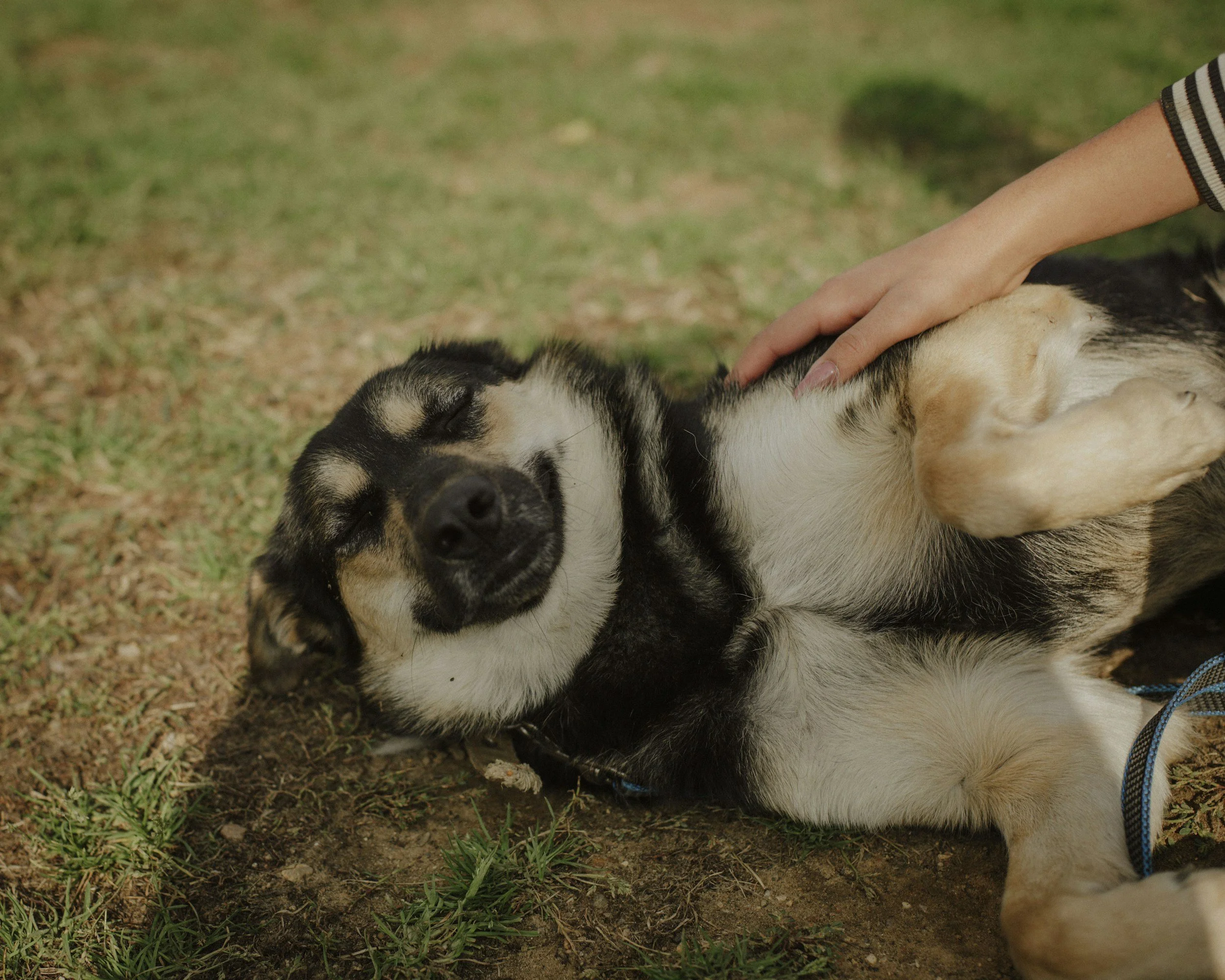
Myofascial massage helps your dog move comfortably by gently releasing tight fascia, reducing pain, and improving mobility for a more active, happy life.
Myofascial massage is a powerful, yet gentle therapy that targets the fascia—the connective tissue surrounding muscles, bones, and organs in your dog’s body. When fascia becomes tight or restricted due to injury, stress, or repetitive movement, it can cause discomfort, stiffness, and limit your dog’s range of motion.
Understanding Fascia and Its Role in Your Dog’s Body
Fascia is a web-like connective tissue that wraps every muscle, bone, nerve, and organ. It provides structural support and enables smooth movement by allowing muscles and joints to glide over each other. Denise Bozenski, founder of Revive & Thrive Canine Wellness, explains, “Fascia is often overlooked in conventional care, but it holds tension long after an injury appears healed. Tight fascia can cause stiffness, soreness, and even impact your dog’s behavior.”
When fascia becomes restricted, it can form adhesions or “knots” that limit movement and cause pain. This can happen from minor injuries, repetitive strain, or chronic inflammation. Unlike muscle pain, fascial pain is often subtle and persistent, making it harder to identify without professional assessment.
Learn more about Denise HERE!
How Myofascial Massage Benefits Your Dog
Relieves Deep Tissue Tension and Chronic Pain
Myofascial massage uses slow, sustained pressure to release tight fascia and break up adhesions. This relief from deep tissue tension can reduce pain that traditional muscle massages might miss.
Improves Mobility and Flexibility
Releasing fascial restrictions restores proper movement patterns, allowing your dog to move more freely and with less discomfort. This can help prevent compensatory injuries and improve overall balance.
Read more about how important exercise is for dogs in our blog, The Importance of Exercise for Dogs.
Speeds Recovery and Reduces Inflammation
By enhancing circulation and lymphatic flow, myofascial massage supports faster healing after injury or surgery and helps calm inflammation.
Calms the Nervous System
The gentle nature of this massage soothes the nervous system, which can reduce anxiety and improve your dog’s overall well-being.
What to Expect During a Myofascial Massage Session
A qualified practitioner will first evaluate your dog’s posture and movement to identify areas where fascia is tight or restricted. The session involves applying gentle, focused pressure and gentle stretches to these areas. Denise shares, “Many dogs relax deeply during treatment, and owners often notice immediate improvements in their dog’s comfort and gait.”
Can You Practice Myofascial Massage at Home?
While professional sessions are ideal, simple myofascial techniques can be safely done at home with proper guidance:
- Apply gentle, steady pressure on tight areas your dog tolerates.
- Use slow, circular motions combined with light stretching.
- Always monitor your dog’s comfort and stop if they show signs of distress.
Consistency is important. Denise notes, “Even a few minutes daily can maintain fascia health and prevent restrictions from returning.”
When Should You Consult a Professional?
If your dog shows signs of chronic stiffness, unexplained pain, or has a history of injury, consulting a practitioner trained in myofascial release is crucial for a tailored and safe treatment plan.
Read about senior dogs and how to best help them in our blog, Caring for Senior Dogs: Helping Them Thrive in Their Golden Years.
Supporting Your Dog's Wellness
Myofascial massage is an effective, natural therapy that addresses hidden fascial tension, helping your dog live a more comfortable, mobile life. Incorporating this holistic treatment can support recovery, reduce pain, and enhance your dog’s overall wellness.
Contact Revive & Thrive Canine Wellness today to learn how myofascial massage can be part of your dog’s personalized care plan. Get started HERE!
Frequently Asked Questions
What is fascia and why is it important for my dog?
Fascia is connective tissue that surrounds muscles, bones, nerves, and organs, enabling smooth movement and structural support. Tight fascia can cause pain and limit mobility.
Is myofascial massage painful for dogs?
No. It uses gentle, sustained pressure designed to release tension without causing discomfort.
How often should my dog receive myofascial massage?
Frequency depends on your dog’s needs; many benefit from monthly sessions or more during recovery periods.