Understanding the Genetics Behind Red Fur in Dogs
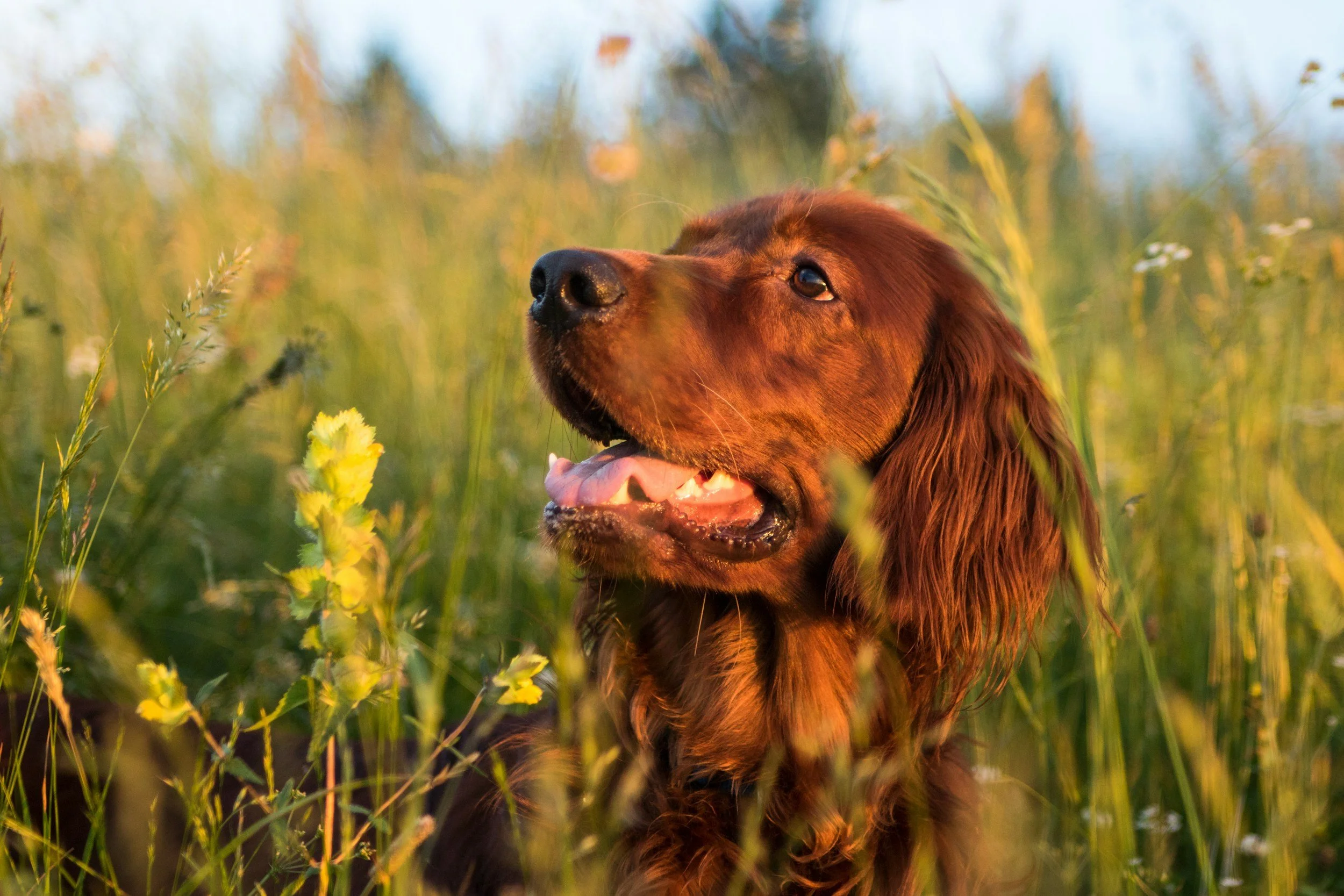
Red fur in dogs is more than just a beautiful color; it’s the result of fascinating genetics that produce this vibrant hue.
Red is a striking and unique color in the dog world, but how exactly do dogs end up with this vibrant fur? Red fur can appear in various dog breeds, ranging from deep mahogany to lighter, golden hues. But what's the science behind this color variation, and what genetic factors play a role in determining whether a dog will have red fur?
What Causes Red Fur in Dogs?
The color of a dog’s fur is determined by a combination of genes that control the production and distribution of pigments in the coat. The two main pigments responsible for a dog’s coat color are eumelanin (which can be black or brown) and pheomelanin (which produces yellow to red tones). Red fur in dogs is primarily caused by the presence of pheomelanin.
When a dog has a coat that’s described as "red," it typically means there’s a higher concentration of pheomelanin than other pigments. This can result in a deep red, orange, or golden hue, depending on the specific genetic variations at play.
Denise Bozenski, owner of Revive & Thrive Canine Wellness, explains, “Red fur in dogs is usually due to a specific variation of the pheomelanin pigment. The genes responsible for the red color can be inherited from one or both parents, and the final coat color can be influenced by both dominant and recessive genetic traits.”
Learn more about Denise HERE!
The Genes Behind Red Fur
The genetics of coat color in dogs are complex, but the primary genes responsible for red fur are the e locus and the K locus.
The E Locus: The Key to Red Fur
The e locus is a critical gene in determining whether a dog will have red fur. The allele at this locus, called the e allele, can lead to the production of red or yellow coats in dogs. This allele essentially “turns off” the production of eumelanin, resulting in a coat that is red or fawn-colored.
If a dog inherits two copies of the e allele (one from each parent), it will typically display a red or yellow coat, depending on other genetic factors. For example, in breeds like the Irish Setter or the Redbone Coonhound, the e allele plays a significant role in producing the breed's iconic red coat.
The K Locus and Its Role in Coat Color
Another gene that can affect the appearance of red fur is the K locus. This gene can influence the distribution of pigments and determine whether a dog has a uniform coat or if there are patterns like black markings. In some cases, the K locus can influence the intensity of red fur, creating lighter or darker shades.
“While the e locus is essential for producing red fur, the K locus can modify the shade of red and the overall coat pattern,” says Denise. “This is why some dogs may have a richer, deeper red color, while others may have a lighter or even diluted version of red.”
Breeds with Red Fur
Many dog breeds are known for their red coats, and in some breeds, red fur is considered a standard or even a defining characteristic. Some common breeds that typically have red fur include:
Irish Setter: Known for its stunning, rich red coat, the Irish Setter is one of the most recognizable breeds with red fur. This breed is especially known for its energetic personality and hunting background.
Redbone Coonhound: The Redbone Coonhound has a distinctive red or reddish-brown coat, which is often associated with its hunting abilities. These dogs are known for their strength and agility.
Shiba Inu: While the Shiba Inu can come in a variety of colors, one of the most popular shades is red. This breed’s red coat is particularly striking against its fox-like face and curled tail.
Cocker Spaniel: Red or “cherry” Cocker Spaniels are known for their silky, flowing coats that range from a rich golden-red to a deeper mahogany hue.
Pembroke Welsh Corgi: Though Corgis are often seen in more traditional colors like sable and tan, some have beautiful red coats. This coloring is especially common in the red-headed tri-color variety.
Red Fur and Health
Interestingly, the genetics behind red fur in dogs can sometimes correlate with specific health considerations. For instance, some genetic mutations associated with coat color may predispose dogs to certain health conditions. However, red-furred dogs don’t typically have any unique health issues due to their coat color alone.
That said, it’s always a good idea for pet owners to stay vigilant about their dog’s overall health, especially when it comes to coat condition. For example, dogs with red fur may be more prone to sunburn due to their lighter skin, so they may require extra care during sunny days.
“While coat color doesn’t directly affect a dog’s overall health, red-furred dogs may be more sensitive to sun exposure, so it’s important to take precautions when they’re outdoors for extended periods,” Denise adds. By understanding the genetics behind coat colors like red, we can appreciate the beauty and complexity of our dogs even more.
Learn more about how a holistic lifestyle can benefit your dog by reading our blog, Exploring Holistic Pet Health Care.
Curious about the genetics of your dog's coat color or health? Book a consultation to learn more about how genetics can play a role in your dog’s overall wellness. Get started HERE!
FAQs
Can a dog with red fur have other coat colors in its genes?
Yes! A dog’s coat color is determined by a combination of genes, so while the e locus plays a role in red fur, there can be other color variations hidden in their genetic makeup.
Are red fur dogs more prone to certain health issues?
Not specifically due to their red fur. However, lighter-colored dogs, including red ones, may be more susceptible to sunburn or skin conditions, so they need extra protection from the sun.
Can the intensity of red fur vary within the same breed?
Yes, the intensity of red fur can vary even within the same breed due to differences in genetic makeup, including variations in the K locus, which can affect the shade of red.