Preparing Your Senior Dog for Winter
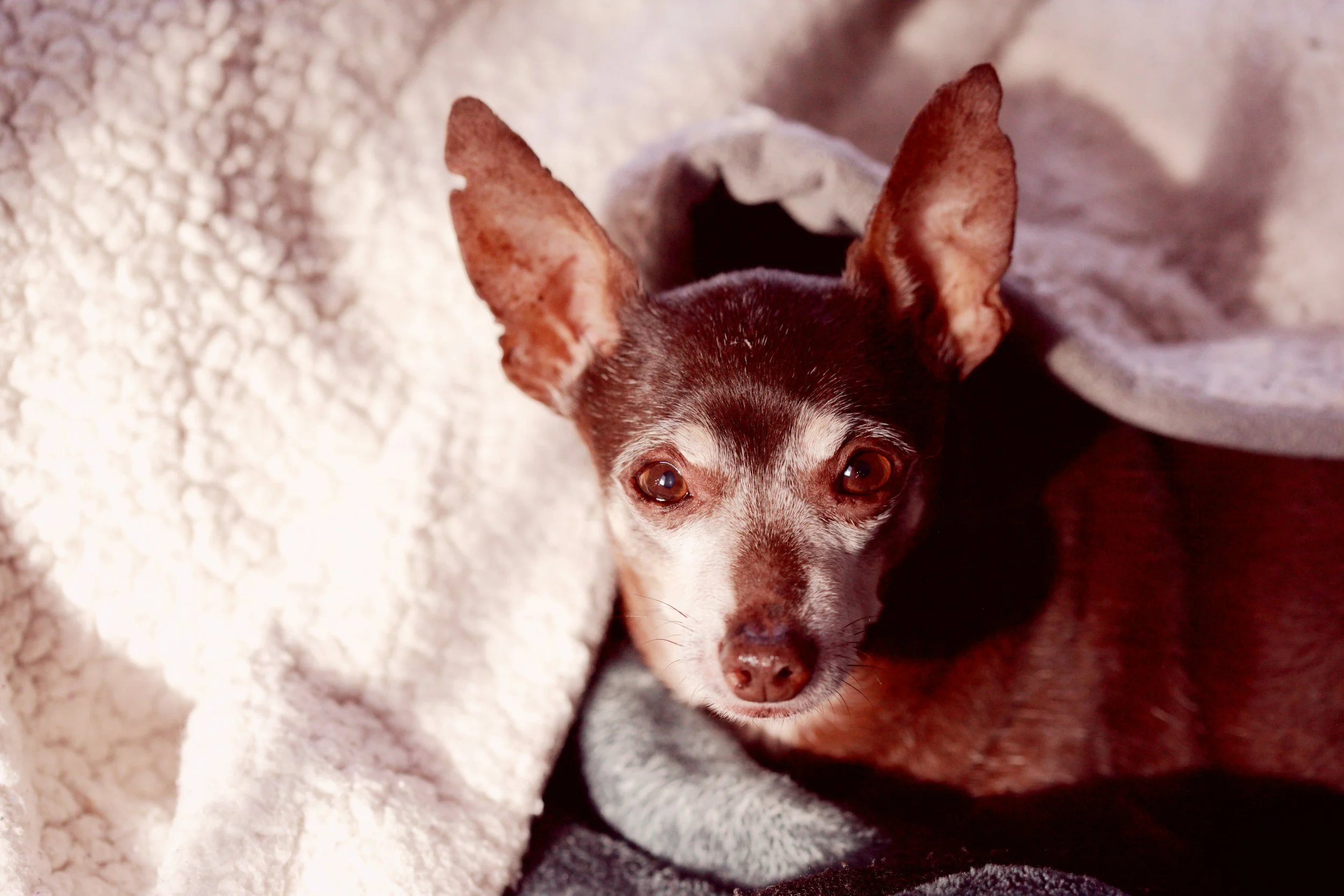
A senior dog resting comfortably in a cozy, warm winter space designed to support joint health and relaxation.
Winter poses unique challenges for senior dogs as colder temperatures, shorter days, and seasonal changes can impact their comfort and health. Preparing your aging dog thoughtfully with holistic strategies helps reduce stress, support joint health, and maintain vitality through the colder months.
Denise Bozenski, founder of Revive & Thrive Canine Wellness, shares, “Older dogs often struggle more with winter’s effects. By addressing their specific needs proactively, we can help them move, rest, and feel their best all season long.”
Learn more about Denise HERE!
Common Winter Challenges for Senior Dogs
Senior dogs may experience increased joint stiffness, arthritis flare-ups, lowered immunity, and changes in energy or appetite during winter. Additionally, reduced outdoor activity due to cold weather can affect muscle tone and mental stimulation.
Denise explains, “Winter can amplify discomfort and anxiety in seniors, making holistic care essential to ease these transitions.”
Holistic Strategies to Support Your Senior Dog in Winter
Warmth and Comfortable Bedding
Providing orthopedic beds with added warmth, such as self-heating pads or cozy blankets, helps ease joint pain and encourages restful sleep. Senior dogs often have thinner coats or arthritis that makes cold more painful. Denise says, “Quality bedding not only cushions painful joints but also retains heat, creating a cozy sanctuary that supports healing and deep rest overnight.”
Tailored Nutrition and Supplementation
A nutrient-rich diet with anti-inflammatory ingredients supports joint health and immune function. Ingredients rich in omega-3 fatty acids like fish oil help reduce inflammation. Supplements such as glucosamine and chondroitin support cartilage repair, while antioxidants like vitamin E combat oxidative stress. Denise notes, “Feeding a diet designed for seniors with these nutrients supports internal balance and helps manage age-related inflammation that worsens in winter.”
Learn more about omegas in our blog, Omega Fatty Acids: Essential Nutrients for Your Dog’s Health.
Controlled Exercise and Mental Enrichment
Maintaining consistent but gentle exercise is key. Shorter, low-impact walks prevent stiffness and keep muscles toned without overtaxing joints. Mental enrichment activities like scent games, puzzle feeders, or gentle training engage your dog’s mind and reduce boredom. Denise shares, “Even limited movement and mental stimulation can boost circulation and mood, helping seniors stay connected and happy.”
Bodywork and Recovery Practices
Bodywork modalities such as myofascial release, gentle massage, and Animal Neuro-Myofascial Release (ANMR) are powerful for relieving muscular tension, improving circulation, and easing discomfort. These treatments encourage better movement and can decrease pain. Denise explains, “Regular bodywork promotes relaxation and supports recovery, which is especially valuable when cold weather stiffens muscles and joints.”
Curious about which bodywork therapies can benefit your senior? Check out our blog, Holistic Bodywork Therapies to Enhance Your Dog’s Wellness.
Environment Management
Creating a safe, warm environment involves minimizing drafts and cold floors, keeping ambient temperature comfortable, and reducing slippery surfaces that increase fall risk. Adding non-slip rugs or mats in key areas helps prevent injury. Denise emphasizes, “A thoughtful environment supports your dog’s physical safety and emotional calm, reducing winter-related stress and accidents.”
Stress Reduction and Routine
Seasonal changes can increase anxiety in senior dogs. Maintaining consistent daily routines for feeding, walks, and rest provides predictability and security. Incorporating calming aids like aromatherapy with dog-safe essential oils or soothing music can enhance relaxation. Denise notes, “Routine and calming sensory inputs help seniors feel grounded and reduce seasonal stress.”
When to Consult Your Holistic Practitioner or Veterinarian
Seasonal changes can reveal or worsen health issues. Regular check-ins with your holistic coach or vet ensure your senior dog’s plan adapts to their evolving needs.
Denise concludes, “Proactive care in winter sets the foundation for your senior dog’s quality of life and comfort.”
For more information on how to care for your senior pup, check out our blog, Caring for Senior Dogs: Helping Them Thrive in Their Golden Years.
Preparing your senior dog for winter with holistic strategies supports their comfort, mobility, and happiness. For personalized winter wellness plans, contact Revive & Thrive Canine Wellness today. Get started HERE!
FAQs
How can I tell if winter is affecting my senior dog’s health?
Signs include increased stiffness, reluctance to move, changes in appetite or behavior, and sleep disturbances.
Are heated beds safe for all senior dogs?
When used properly and monitored, heated beds can be very beneficial, but always check for safety features.
What mental enrichment is best for seniors?
Gentle puzzle toys, scent games, and low-impact training sessions work well.