Water Safety for Dogs in the Summer
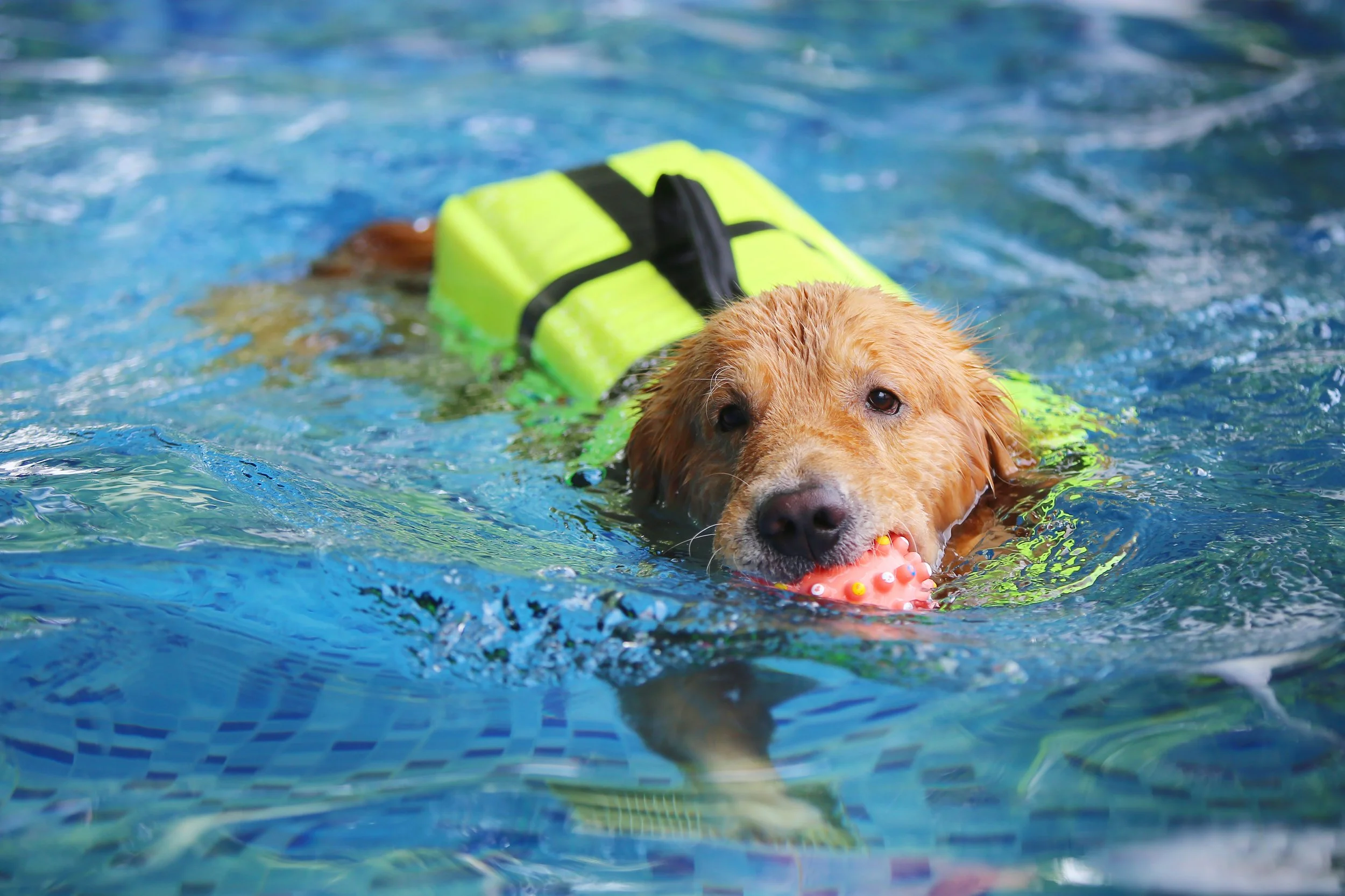
A dog wearing a life jacket happily splashes in the water, enjoying a summer day.
As summer approaches, ensuring your dog’s safety in the water becomes just as important as keeping them cool on hot days. At Revive & Thrive Canine Wellness, we are committed to providing dog owners with the knowledge and resources to keep their pets healthy and safe all year round. In this blog, we’ll focus on essential water safety tips that will help protect your dog while they enjoy swimming, playing at the beach, or splashing in a pool.
The Importance of Water Safety for Dogs
Summer fun often involves water activities, whether it's playing in the backyard pool or taking a trip to the lake or beach. However, just like humans, dogs require special precautions to keep them safe around water. Whether your dog is an experienced swimmer or just dipping their paws in, there are several important things to keep in mind.
Denise Bozenski, owner of Revive & Thrive Canine Wellness, emphasizes, “Water safety should always be top of mind, especially for breeds that aren’t natural swimmers or for dogs who are unfamiliar with the water.”
Learn more about Denise HERE!
Use a Dog Life Jacket
One of the easiest ways to ensure water safety is by outfitting your dog with a life jacket. Life jackets designed specifically for dogs help them stay afloat and ensure they don’t tire out too quickly, especially in deep water or moving currents. Even dogs that are good swimmers can benefit from wearing a life vest as extra protection.
Learn about the importance of exercise for our dogs in our blog, The Importance of Exercise for Dogs.
Supervise at All Times
Always keep a close eye on your dog when they’re in or near water. Dogs can quickly become overwhelmed or fatigued, and even the strongest swimmer can run into trouble if they get too far from shore or become distracted. “Even if your dog seems to be enjoying the water, never leave them unattended. Accidents can happen in a split second,” advises Denise.
Limit Time in the Water
Just like humans, dogs can overexert themselves. Limit the amount of time your dog spends swimming to avoid exhaustion or dehydration. Take regular breaks and make sure your dog has access to fresh water to drink while they're out playing.
Watch for Signs of Fatigue or Distress
Know your dog’s limits. If your dog starts to exhibit signs of fatigue—such as slowing down, panting excessively, or struggling to stay afloat—it’s time to take them out of the water. Look out for signs of distress like heavy breathing or ear infections (from swimming), which can signal that they need medical attention.
Rinse Off After Swimming
Chlorine, saltwater, and bacteria from lakes or ponds can irritate your dog’s skin, eyes, and ears. After swimming, rinse your dog off thoroughly with clean water to remove any harmful residue and prevent skin infections. Also, dry their ears carefully to avoid water buildup that can lead to ear infections.
Protect Paws from Hot Surfaces
Whether at the beach or near a pool, hot surfaces like sand or pavement can burn your dog’s paws. Avoid walking your dog on hot surfaces during peak sun hours, and always ensure that the area where your dog is playing is safe.
Provide Shade and Rest
Ensure your dog has access to shade and a cool place to rest after swimming. Dogs can overheat quickly, so provide plenty of opportunities for your dog to cool down. “Don’t underestimate the power of a shaded area, especially on hot summer days,” says Denise.
Make sure your dog gets their rest after a fun day and read our blog, The Importance of Sleep and How to Improve It for Your Dog.
Your dog’s safety and well-being are always our top priority. If you’re looking for more tips on holistic health, water safety, and summer care, contact Revive & Thrive Canine Wellness today to learn more. Let’s make this summer the best and safest one for your furry companion! Get started HERE!
FAQs
Can all dogs swim?
Not all dogs are natural swimmers. Breeds like Bulldogs, Dachshunds, and Pugs may need extra assistance and supervision around water.
How can I teach my dog to swim?
Start slowly with shallow water, allow your dog to get used to the sensation of water on their body, and never force them to swim. Gradually build confidence, and always keep safety in mind.
Are life jackets necessary for dogs who are experienced swimmers?
Yes, life jackets are always a good idea for extra safety, even for strong swimmers. They provide buoyancy and ensure that your dog is protected in case of fatigue or an emergency.