Winter Food Energetics for Dogs: Nourishing with Balance and Warmth
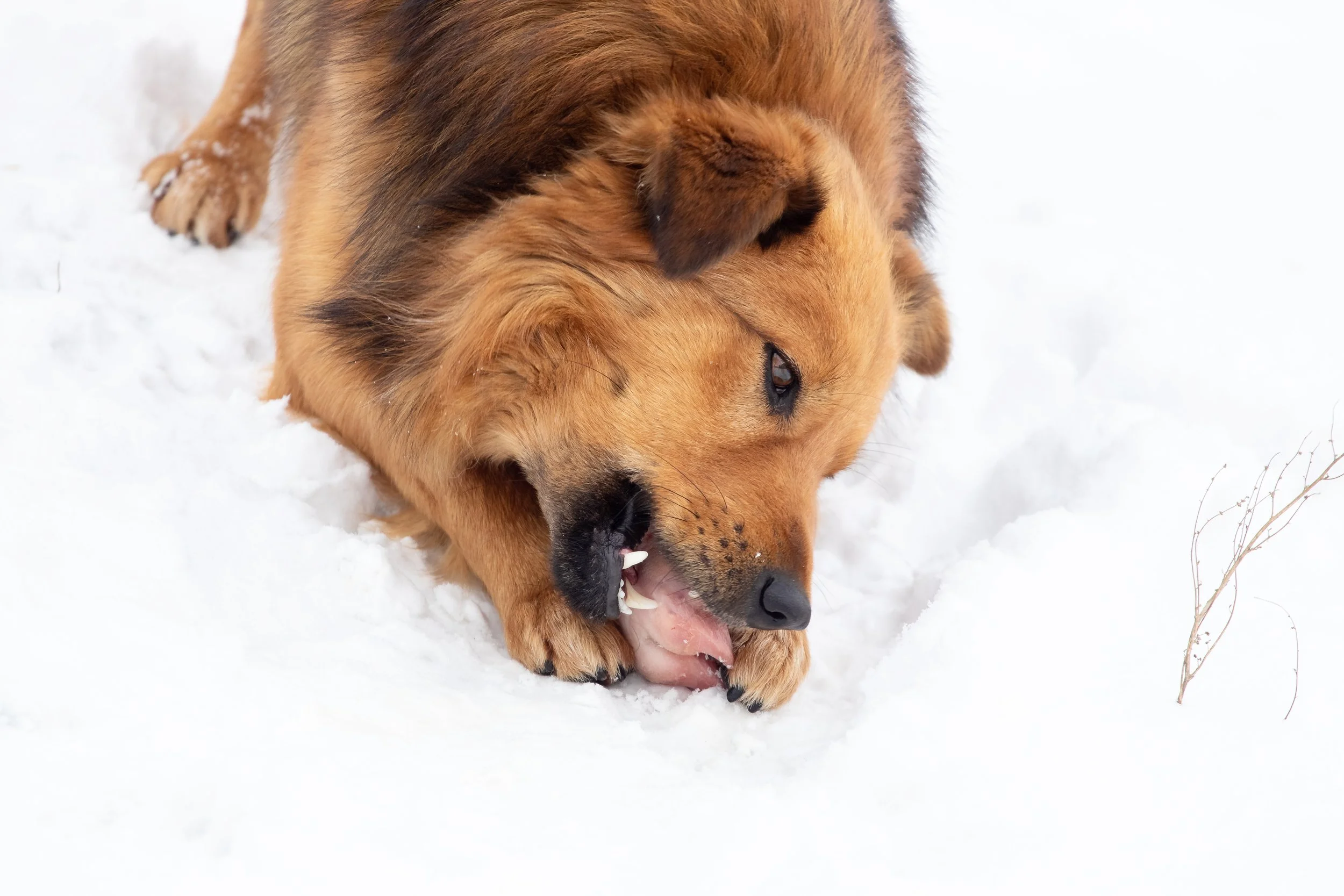
Choosing warming, nourishing foods in winter supports your dog’s digestion, energy, and overall vitality.
As the colder months approach, adjusting your dog’s diet to align with seasonal energetics can support digestion, immunity, and overall vitality. Winter foods tend to be more warming, nourishing, and grounding qualities that help counterbalance the cold, damp energy of the season.
Denise Bozenski, founder of Revive & Thrive Canine Wellness, explains, “Food energetics is an ancient concept that looks beyond calories and nutrients, focusing on how foods affect your dog’s body and energy. In winter, choosing foods that generate internal warmth and support slower digestion is especially beneficial.”
Learn more about Denise HERE!
Understanding Food Energetics
Food energetics considers the temperature, moisture, and energetic qualities of ingredients. Winter foods are often dense, rich, and warming to aid in maintaining body heat and steady energy. These foods help your dog adapt to colder weather by supporting metabolism and balancing moisture levels in the body.
Denise shares, “Instead of cold, raw foods that can slow digestion, winter calls for cooked, warming ingredients that promote circulation and gentle detoxification.”
Learn more about TCVM and energetics in our blog, What is TCVM and How It Benefits Dogs.
Warming and Nourishing Winter Foods
Root Vegetables
Carrots, sweet potatoes, and pumpkin are grounding, high-fiber foods that support digestion and provide steady energy. Their warming nature aligns well with winter’s need for nourishment and digestive ease.
Protein Sources
Lean, cooked proteins like chicken, turkey, and fish supply vital amino acids without burdening the liver or digestive system. Denise notes, “Warming proteins help maintain muscle mass and support immune defenses in cold weather.”
Healthy Fats
Fats like coconut oil and fish oil generate internal heat and support brain function and coat health. Including moderate amounts of these fats helps keep your dog warm and thriving.
Herbal Additions
Herbs such as ginger and cinnamon are natural warming agents that can be safely incorporated in small amounts to enhance digestion and circulation. Denise adds, “These spices support healthy blood flow and reduce winter stiffness.”
Foods to Use Sparingly or Avoid in Winter
Cold, raw foods and high-water content fruits or vegetables can cool the digestive system and slow metabolism during winter. Denise advises, “Limit foods like cucumbers, watermelon, and excessive greens during the cold months to avoid digestive sluggishness.”
Check out our blog, The Benefits of a Fresh Food Diet for Dogs: Raw & Home-Cooked, to learn more about raw vs. home- cooked.
Preparing Winter Meals with Energetics in Mind
Cooking methods that add warmth, such as slow simmering or roasting, not only improve digestibility but also enhance the energetic qualities of food. Denise explains, “Warm meals provide comfort and ease digestion, which is important when your dog’s activity levels may decrease in winter.”
Integrating Energetics into Holistic Canine Care
Winter food energetics is just one aspect of supporting your dog’s seasonal wellness. Combining balanced nutrition with gentle exercise, mental enrichment, and stress reduction creates a harmonious approach to thriving through colder months.
Denise concludes, “Listening to your dog’s body and adapting their diet energetically fosters resilience and vitality year-round.”
Seasonal nutrition tailored to winter energetics helps your dog stay balanced, healthy, and comfortable. For personalized guidance on holistic feeding, contact Revive & Thrive Canine Wellness. Get started HERE!
FAQs
Can I give my dog raw food in winter?
Raw diets may be less suitable in cold months as they can cool the digestive system. Lightly cooking foods supports warmth and digestion.
Are warming spices safe for all dogs?
Small amounts of ginger and cinnamon are generally safe but consult your holistic coach for personalized advice.
How do I know if my dog’s food needs adjusting seasonally?
Changes in appetite, coat quality, or energy can signal the need for dietary shifts aligned with seasonal energetics.