Natural Relief for Your Dog’s Seasonal Allergies
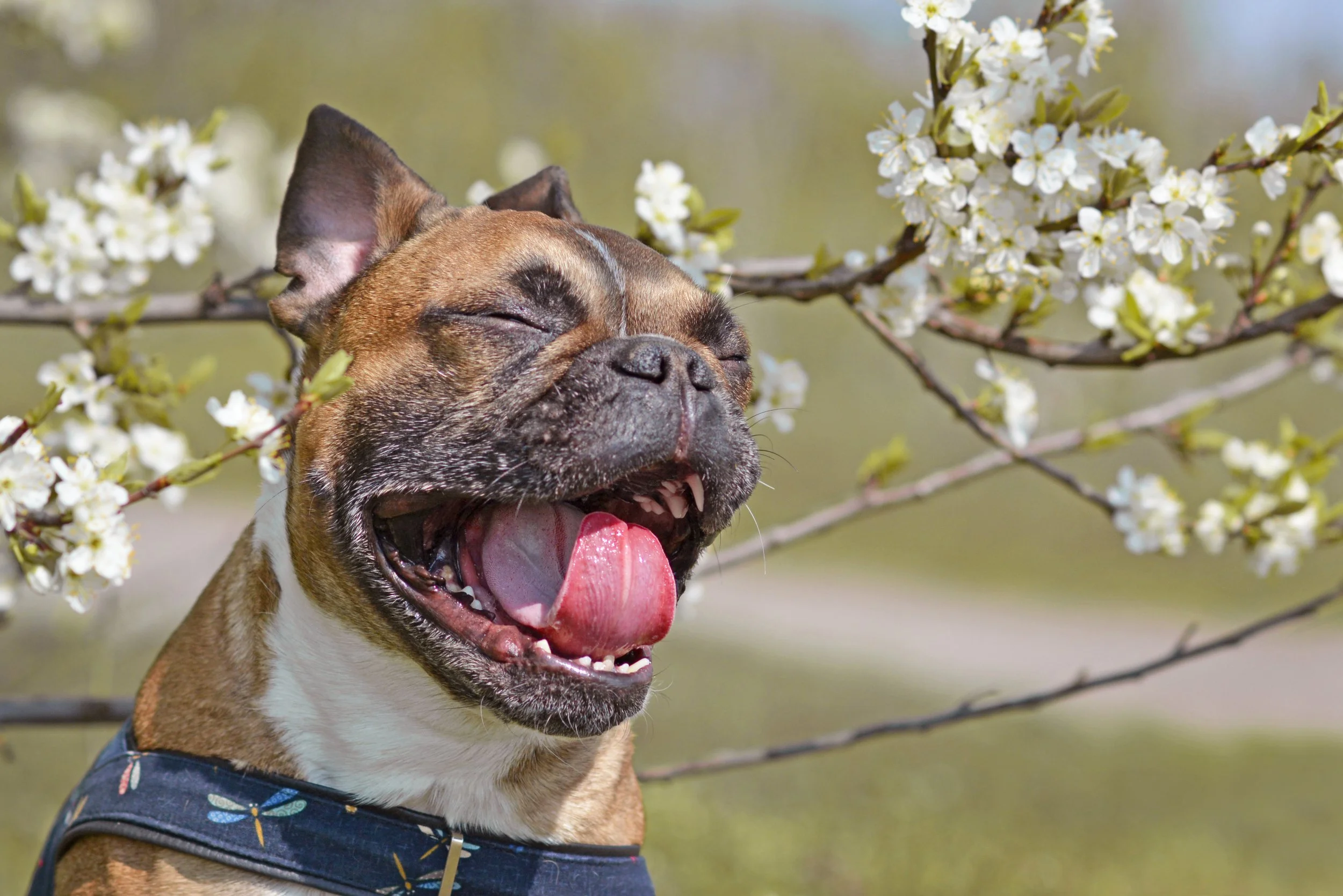
Holistic remedies, such as herbal supplements and regular grooming, can help manage seasonal allergies and improve your dog’s comfort during allergy season.
As the seasons change, many dogs experience allergies caused by environmental triggers like pollen, mold, and dust mites. These seasonal allergies can cause discomfort and disrupt your dog’s quality of life. Fortunately, holistic methods can provide relief and help manage symptoms naturally.
What Causes Seasonal Allergies in Dogs?
Just like humans, dogs can develop allergies to various environmental allergens. The most common culprits during allergy season include pollen from trees, grasses, and weeds, as well as mold spores and dust mites. When your dog is exposed to these allergens, their immune system reacts, leading to symptoms such as itching, sneezing, watery eyes, and inflamed skin.
Denise Bozenski, holistic pet health coach, explains, “Allergies are often a sign that the immune system is overreacting to harmless substances. The goal is to help your dog’s immune system respond more appropriately, without unnecessary inflammation.”
Learn more about Denise HERE!
Symptoms of Seasonal Allergies in Dogs
Seasonal allergies in dogs can manifest in a variety of ways. Common symptoms include:
- Itchy skin: Dogs may scratch excessively or chew their paws.
- Inflammation: Red, swollen areas, especially on the paws, belly, or ears.
- Sneezing: Some dogs will sneeze or have nasal discharge.
- Watery eyes: Excessive tearing or discharge.
- Ear infections: Allergies can trigger ear infections, causing itching, redness, and odor.
If you notice these symptoms in your dog, it’s essential to address the root cause of the allergies rather than just masking the symptoms.
Holistic Remedies for Seasonal Allergies
Boosting Immunity with Herbs and Supplements
Supporting your dog’s immune system can help reduce the frequency and severity of allergic reactions. Several herbs and supplements have natural antihistamine properties that can provide relief:
- Quercetin: Known as nature’s antihistamine, quercetin helps stabilize mast cells and reduce inflammation.
- Stinging nettle: This herb has anti-inflammatory and anti-allergic properties that can help with seasonal allergens.
- Omega-3 fatty acids: Fish oils or flaxseed oil can help reduce inflammation and support skin health.
- Probiotics: A healthy gut plays a crucial role in immune function. Supplementing with probiotics can balance your dog’s gut flora and support their immune system.
Denise notes, “Herbal remedies can offer significant relief, but it’s important to consult with a holistic veterinarian to ensure they are right for your dog.”
Read our blog, Herbal Supplements for Dogs: How They Can Help Your Pup Thrive, for more information on how herbs can benefit your dog!
Bathing and Grooming Regularly
Frequent bathing with a mild, hypoallergenic shampoo can help remove allergens from your dog’s coat and skin. This will help soothe itchy skin and prevent the buildup of pollen, mold, and dust that can trigger allergic reactions. Be sure to use a gentle, natural shampoo that won’t strip your dog’s skin of its natural oils.
Additionally, regular grooming helps keep your dog’s fur free from irritants that may cling to their coat, such as pollen and dust.
Reducing Environmental Allergens
It’s important to reduce the amount of allergens your dog is exposed to in their environment. Here are some tips to minimize exposure:
- Limit outdoor time during peak allergy seasons: Try to keep your dog indoors during the early morning or late afternoon when pollen counts are highest.
- Wash their paws and face: After outdoor walks, wipe down your dog’s paws and face to remove allergens they may have picked up.
- Use air purifiers: Air purifiers can help remove dust, pollen, and mold from the air inside your home.
Dietary Adjustments
Sometimes, adding anti-inflammatory foods to your dog’s diet can help manage allergy symptoms. Fresh food diets rich in antioxidants, vitamins, and minerals support your dog’s immune system and overall health. You can also consider adding turmeric, a natural anti-inflammatory herb, to your dog’s food to help reduce inflammation.
Denise shares, “Supporting your dog with a whole food diet is a key part of managing seasonal allergies holistically. Fresh food offers the vitamins, minerals, and antioxidants that can help balance the immune system and reduce allergic responses.”
To learn more about fresh food diets, check out our blog, The Benefits of a Fresh Food Diet for Dogs: Raw & Home-Cooked.
When to Seek Professional Help
While many seasonal allergies can be managed with holistic remedies, some dogs may require additional care. If your dog’s symptoms are severe, persistent, or leading to secondary infections like ear infections, it’s important to consult with a holistic veterinarian. They can offer targeted treatments and ensure your dog’s allergies are properly managed.
If your dog suffers from seasonal allergies and you want to explore holistic options for relief, book a consultation with Denise today. She will help you create a personalized plan to support your dog’s immune health naturally. Get started HERE!
FAQs
How can I tell if my dog has seasonal allergies?
Look for symptoms like excessive itching, sneezing, watery eyes, and inflamed skin. These can be signs of environmental allergies.
Can holistic remedies really help with seasonal allergies in dogs?
Yes! Herbs, supplements, and lifestyle changes can offer significant relief. A holistic approach supports your dog’s immune system and reduces inflammation naturally.
Are there any side effects of using herbal supplements for allergies?
When used properly, herbal supplements are generally safe. However, it’s important to consult with a holistic veterinarian to avoid interactions with any medications your dog may be taking.