How to Transition Your Dog to a Fresh Food Diet
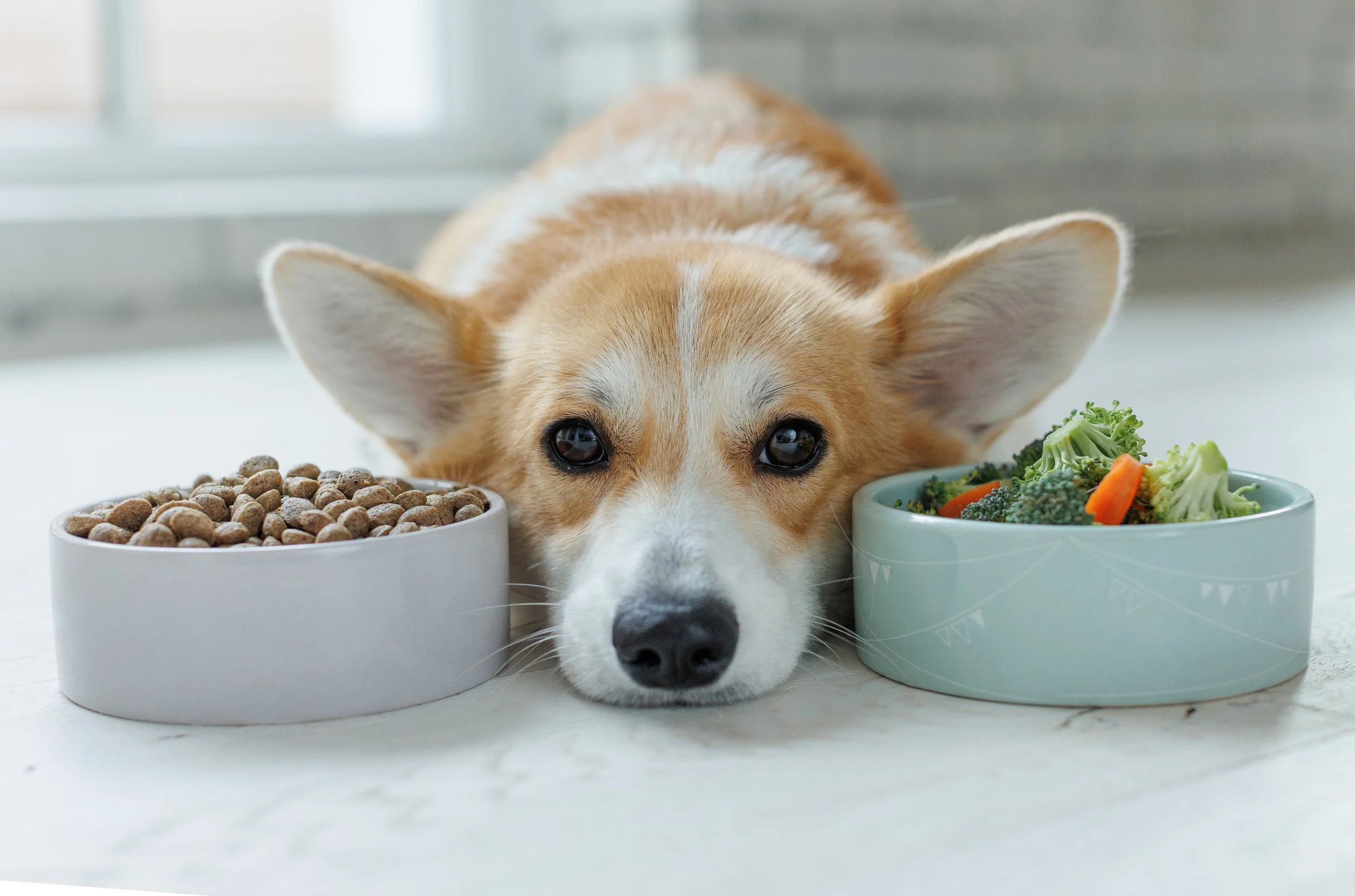
A smooth transition to a fresh food diet can help your dog thrive with improved digestion, energy, and overall health.
Transitioning your dog to a fresh food diet can be an exciting journey, but it requires a bit of planning and patience. Fresh food is packed with nutrients, and it can help improve your dog’s energy, coat, digestion, and overall health. In this blog, we’ll cover the step-by-step process of switching your dog to a fresh food diet, tips for a smooth transition, and what to watch for along the way.
Why Switch to a Fresh Food Diet?
A fresh food diet consists of whole ingredients such as meats, vegetables, fruits, and grains—often prepared with minimal processing. Many dog owners choose to make the switch because fresh food offers better nutritional value compared to processed kibble, which may contain fillers and artificial ingredients. Fresh food is more easily digestible and can help improve coat quality, energy levels, and overall vitality.
Denise Bozenski, holistic pet health coach and canine nutritionist, explains, “Fresh food is as close to nature as we can get for our dogs. It supports their body in the way it was designed to function—through whole, unprocessed foods.”
Learn more about Denise HERE!
Step-by-Step Guide to Transitioning Your Dog to Fresh Food
Start Slow
Transitioning too quickly can upset your dog’s digestive system. Begin by mixing a small amount of fresh food into their regular kibble. Gradually increase the amount of fresh food over 7 to 10 days, while decreasing the kibble, until they are fully transitioned. This slow approach helps prevent gastrointestinal issues like diarrhea or vomiting.
Denise suggests, “A gradual transition is key. It allows your dog’s digestive system to adjust without causing too much stress.”
Choose the Right Fresh Food
Not all fresh food diets are created equal. It's essential to choose a fresh food option that provides balanced nutrition. Make sure the food contains high-quality protein, healthy fats, and a variety of vegetables and fruits. If you’re preparing the food yourself, aim for a balanced recipe or consult with a canine nutritionist to ensure your dog gets the right nutrients.
Learn more about raw and home-cooked meals on our blog, The Benefits of a Fresh Food Diet for Dogs: Raw & Home-Cooked.
Monitor Your Dog’s Health
As you transition your dog to fresh food, pay attention to how they respond. Look for changes in their coat, energy levels, digestion, and overall mood. While some dogs will adapt quickly, others may take a bit longer to adjust. Keep an eye on stool consistency, appetite, and any potential signs of food intolerance or allergies.
Denise says, “Every dog is different, so it’s important to watch how they react. If you notice anything concerning, slow down the transition or consult with a professional to ensure they’re getting the right nutrients.”
Consider Portion Sizes
Fresh food can be more nutrient-dense than kibble, so it’s important to adjust portion sizes accordingly. Overfeeding can lead to weight gain, so monitor your dog’s weight and adjust portions based on their activity level and size. Most fresh food brands provide guidelines based on your dog’s weight, but if you’re preparing food yourself, aim for about 2-3% of your dog’s body weight per day, divided into meals.
Introduce Variety
Variety is key to a well-rounded diet. Fresh food offers a wide range of ingredients, so it’s important to rotate proteins and vegetables. Offering a mix of chicken, beef, lamb, turkey, and fish, along with different fruits and vegetables like sweet potatoes, carrots, and apples, will ensure your dog receives a broad spectrum of nutrients.
Use Supplements if Needed
In some cases, adding supplements to your dog’s fresh food diet can help fill in any nutritional gaps. Omega-3 fatty acids, joint support, and digestive enzymes are common additions. However, always consult with a holistic professional before adding supplements to ensure they’re necessary for your dog’s specific needs.
For more information on herbal supplements, check out our blog, Herbal Supplements for Dogs: How They Can Help Your Pup Thrive.
How Revive & Thrive Canine Wellness Can Help
At Revive & Thrive Canine Wellness, we understand the importance of a balanced and nourishing diet for your dog’s overall health. If you’re considering transitioning your dog to a fresh food diet but feel unsure about the best approach, we’re here to guide you. Through personalized consultations, we help you navigate the process, ensuring your dog’s nutritional needs are met with tailored advice and recommendations. Whether you’re looking for assistance in choosing high-quality food options, monitoring your dog’s health during the transition, or incorporating supplements for enhanced wellness, we’re committed to supporting your dog’s journey to optimal health.
Ready to make the switch to a fresh food diet for your dog? Book a consultation with Denise to help create a tailored nutrition plan that’s right for your dog’s health and well-being. Get started HERE!
FAQs
How long does it take to transition my dog to fresh food?
The process typically takes about 7 to 10 days, but each dog is different. Be patient and observe your dog’s reactions.
Can I feed my dog only fresh food?
Yes, as long as it’s a balanced diet with appropriate nutrients. Consult with a professional to ensure your dog’s diet is complete.
What are the benefits of a fresh food diet for dogs?
A fresh food diet provides higher-quality nutrients, better digestibility, and improved overall health, including better skin, coat, and energy levels.