Essential Oil Safety Tips for Dogs in the Cooler Months
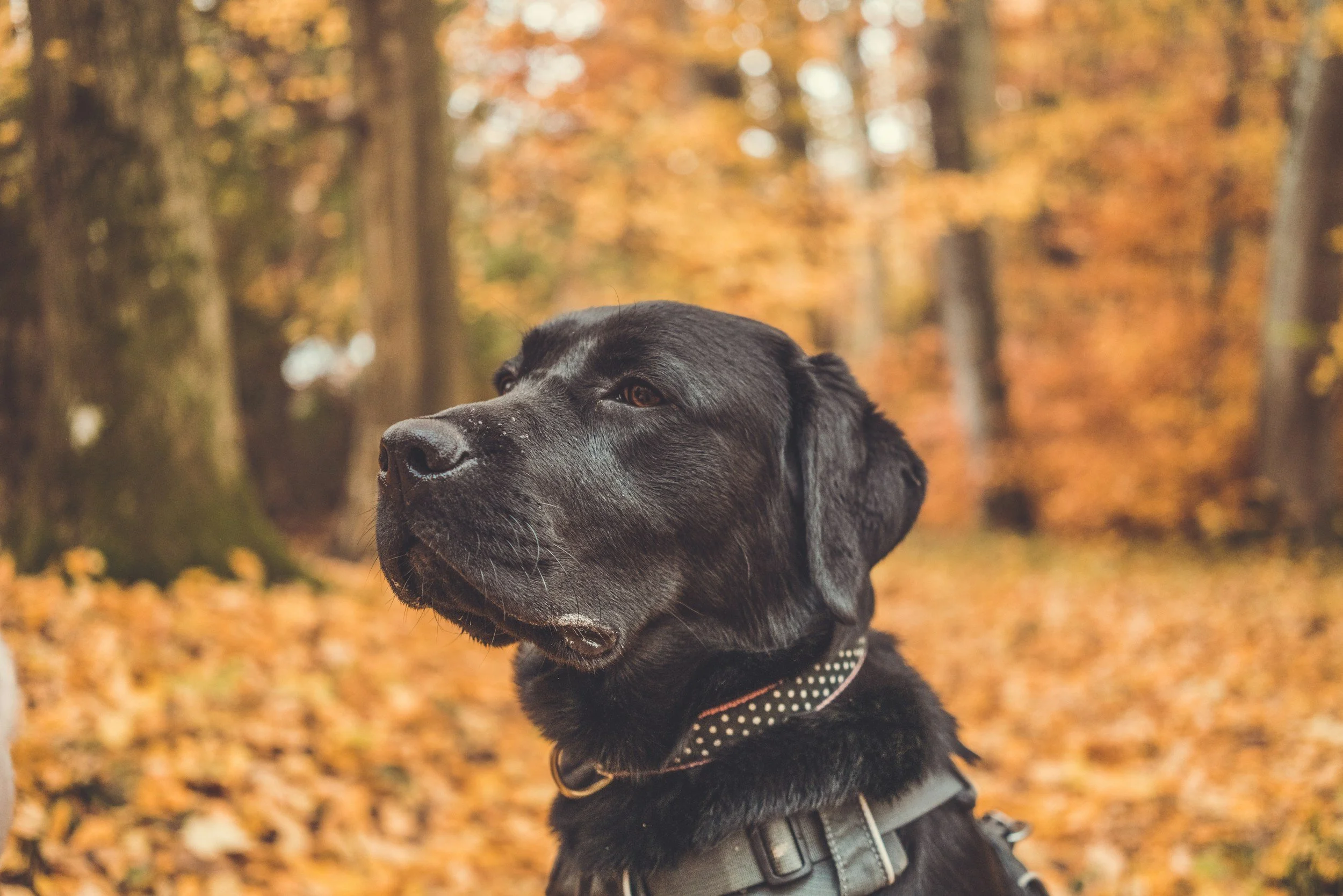
Safe essential oil use during cooler months supports your dog’s comfort and health without risk of irritation or toxicity.
As the cooler months set in, many dog owners turn to essential oils to support their pets’ health, comfort, and mood. While essential oils offer numerous holistic benefits, it’s vital to use them safely and appropriately around dogs, especially during fall and winter when ventilation may be limited.
Denise Bozenski, founder of Revive & Thrive Canine Wellness, emphasizes, “Essential oils can be powerful allies for canine wellness, but improper use can cause harm. Understanding how to safely incorporate oils during the cooler months is crucial for protecting your dog’s health.”
Learn more about Denise HERE!
Why Seasonal Considerations Matter for Essential Oil Use
During colder months, homes are often closed up tight, reducing airflow and increasing the concentration of essential oils in the environment. This can amplify effects and sensitivity, making it important to use oils thoughtfully.
Denise explains, “Dogs have highly sensitive noses and respiratory systems. Overexposure to essential oils in enclosed spaces can lead to irritation or adverse reactions.”
Learn more about essential oils safety in our blog, Aromatherapy for Dogs.
Key Safety Tips for Using Essential Oils with Dogs in Fall and Winter
Choose Dog-Safe Essential Oils
Not all essential oils are safe for dogs. Stick to well-researched oils like lavender, chamomile, frankincense, and cedarwood. Avoid toxic oils such as tea tree, eucalyptus, wintergreen, and citrus oils unless guided by a certified professional.
Dilute Thoroughly
Essential oils must be diluted properly before topical use. A safe dilution ratio is generally 0.5% to 1% for dogs. Denise advises, “Never apply undiluted oils directly to your dog’s skin.”
Use Diffusers with Caution
If diffusing essential oils indoors, ensure the area is well-ventilated, and your dog can leave the room freely. Limit diffusion sessions to short periods, around 15-30 minutes.
Avoid Direct Contact with Sensitive Areas
Keep oils away from your dog’s eyes, nose, ears, and genitals. Denise notes, “Direct contact can cause discomfort or damage, so always apply oils carefully and monitor your dog.”
Observe Your Dog’s Response
Watch for signs of adverse reactions such as sneezing, coughing, drooling, lethargy, or skin irritation. If you notice any of these, discontinue use immediately and consult a holistic vet.
Integrating Essential Oils into Holistic Winter Wellness
Used safely, essential oils can support relaxation, immune health, and respiratory comfort during the cooler months. Denise suggests combining oils with other wellness practices like proper nutrition, hydration, and environmental management for the best results.
“Essential oils are one piece of the holistic puzzle,” she says. “Balanced care ensures your dog stays healthy and comfortable through seasonal changes.”
Curiuos about raindrop therapy and how it can benefit your dog this winter? Check out our blog, Raindrop Therapy and How It Can Benefit Your Dog.
When to Consult a Professional
Because every dog is unique, working with a certified aromatherapist or holistic pet health coach helps tailor essential oil use safely to your dog’s individual needs and health status.
Denise concludes, “Proper education and professional guidance are key to unlocking the benefits of essential oils while keeping your dog safe.”
Proper use of essential oils during fall and winter can enhance your dog’s wellness safely and naturally. Ready to learn more about essential oil safety and applications? Contact Revive & Thrive Canine Wellness for expert advice and personalized support. Get started HERE!
FAQs
Can I use essential oils on my dog year-round?
Yes, but always follow safety guidelines and adjust use based on season and ventilation.
Are there essential oils that require extra caution?
Yes, some oils—including tea tree, eucalyptus, and citrus—can be harmful to dogs if used improperly. Always consult a certified professional before introducing these oils to your dog’s routine.
What should I do if my dog has a reaction to essential oils?
Stop use immediately, ventilate the area, and consult a holistic vet or aromatherapist promptly.