Herbal Remedies for Fall Allergies in Dogs
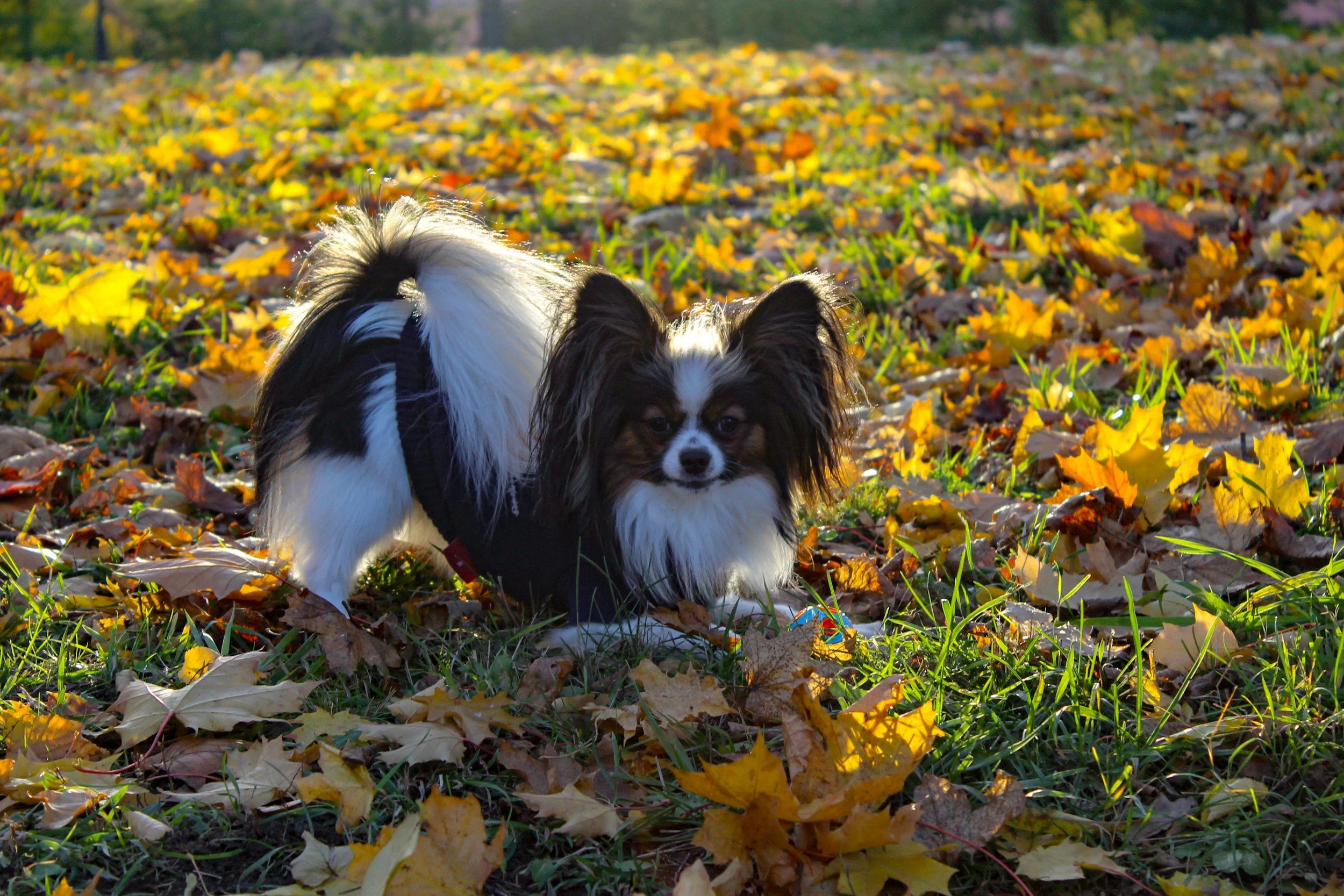
Herbal remedies like nettles, calendula, and turmeric provide gentle, natural support for dogs coping with fall allergies.
Fall can be a challenging season for dogs prone to allergies. As the leaves change and the air cools, environmental allergens like mold spores, ragweed, and dust increase, often triggering itching, sneezing, and discomfort in sensitive dogs.
Denise Bozenski, founder of Revive & Thrive Canine Wellness, explains, “Fall allergies can affect dogs’ skin, respiratory system, and overall well-being. Herbal remedies offer a gentle, holistic way to support your dog’s natural defenses and reduce symptoms.”
Learn more about Denise HERE!
Common Signs of Fall Allergies in Dogs
Allergy symptoms in dogs often include:
- Persistent itching or scratching
- Red, inflamed skin or hot spots
- Sneezing or coughing
- Watery eyes or nasal discharge
- Ear infections or head shaking
Denise shares, “Recognizing these signs early allows you to implement supportive care before symptoms worsen.”
For more tips on allergies, check out our blog, Natural Relief for Your Dog’s Seasonal Allergies.
Herbal Allies for Fall Allergy Support
Nettles (Urtica dioica)
Nettles have natural antihistamine properties and help reduce inflammation. They can be given as dried leaf powder, tinctures, or teas to support immune balance.
Calendula (Calendula officinalis)
Known for its soothing effects, calendula helps calm irritated skin and promotes healing of hotspots or rashes.
Licorice Root (Glycyrrhiza glabra)
Licorice supports adrenal health and has anti-inflammatory benefits, which can help modulate allergic responses.
Turmeric (Curcuma longa)
Curcumin, the active compound in turmeric, acts as a potent anti-inflammatory and antioxidant, reducing allergy-related inflammation.
Learn more about turmeric and its benefits in our blog, Turmeric for Dogs: A Natural Anti-Inflammatory Superfood.
Chamomile (Matricaria chamomilla)
Chamomile’s gentle calming and anti-inflammatory properties make it useful for soothing itchy skin and calming the nervous system.
How to Use Herbal Remedies Safely
Introduce herbs gradually and use formulations designed for dogs, avoiding any toxic or irritating ingredients. Denise advises, “Consult with a holistic pet health coach or herbalist to determine the right dosage and combinations tailored to your dog’s specific needs.”
Curious about herbal supplements? Read our blog, Herbal Supplements for Dogs: How They Can Help Your Pup Thrive, for more information.
Complementary Holistic Strategies
Along with herbs, consider these holistic approaches to ease fall allergies:
- Regular bathing with gentle, hypoallergenic shampoos to remove allergens from skin and coat
- Using air purifiers indoors to reduce airborne irritants
- Supporting gut health with probiotics, since a balanced microbiome strengthens the immune system
- Minimizing exposure to moldy leaves or damp outdoor areas
Denise emphasizes, “Allergy management is multifaceted. Herbal support combined with lifestyle adjustments creates the best outcomes.”
When to Seek Professional Help
If your dog’s allergies are severe or persistent, veterinary evaluation is important to rule out infections or other underlying conditions. Working alongside holistic practitioners ensures a comprehensive care plan.
Denise concludes, “Herbal remedies are valuable tools for fall allergy relief, but they work best as part of a broader, personalized wellness approach.”
Fall allergies don’t have to diminish your dog’s quality of life. With thoughtful herbal support and holistic care, your dog can enjoy a comfortable, happy season. Ready to explore natural allergy relief? Contact Revive & Thrive Canine Wellness for personalized guidance. Get started HERE!
FAQs
Can I use human herbal supplements for my dog’s allergies?
Not all human herbs or doses are safe for dogs. Always use dog-specific products or consult a professional before administering.
How soon can I expect to see improvement with herbs?
Herbal effects may take days to weeks depending on the herb and the dog’s condition.
Are herbal remedies safe with conventional allergy medications?
Some herbs can interact with medications. Consult your vet or holistic coach before combining therapies.