Fall Safety Tips for Dogs
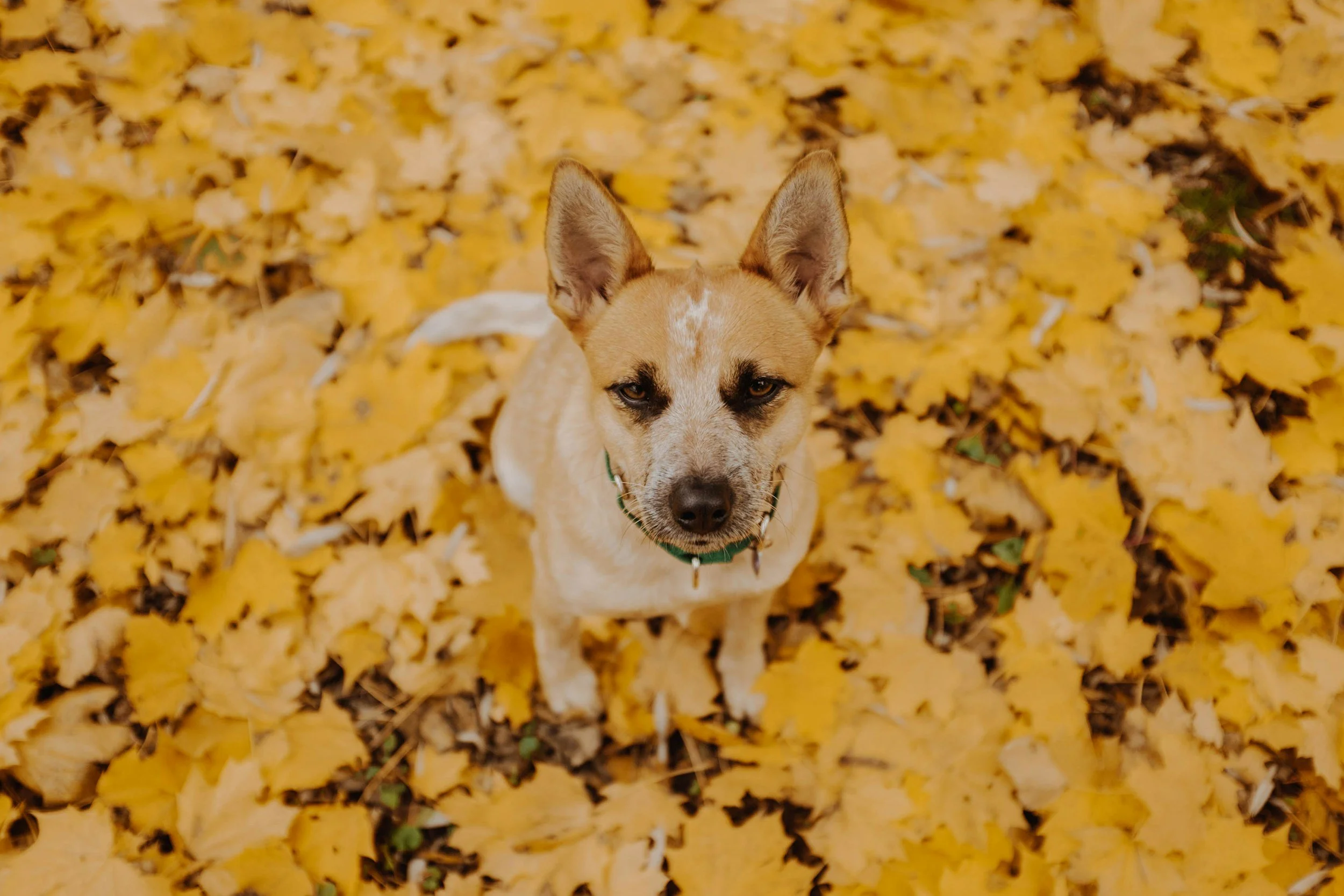
Fall safety starts with mindful care for your dog’s paws, joints, and well-being.
As autumn arrives, dog owners face unique challenges in keeping their canine companions safe and healthy. Changes in weather, daylight, and outdoor conditions can affect dogs’ comfort, mobility, and emotional well-being. Denise Bozenski, founder of Revive & Thrive Canine Wellness, emphasizes the importance of a holistic approach to fall safety that goes beyond gear, incorporating natural wellness strategies to support dogs through seasonal transitions.
“Fall is a time when dogs’ bodies and routines shift along with the weather,” Denise shares. “Supporting these transitions with natural, proactive measures can prevent injury and stress while enhancing overall well-being.”
Learn more about Denise HERE!
Understanding Seasonal Changes and Their Effects
With cooler temperatures and shorter daylight hours, dogs may experience changes in energy, joint comfort, and mood. Additionally, fall brings increased exposure to allergens such as mold and pollen, which can affect skin and respiratory health.
Denise notes, “Recognizing how the season impacts your dog is key to tailoring care that addresses both physical and emotional needs.”
Enhancing Visibility During Low-Light Walks
As daylight fades earlier, walks often occur during dawn or dusk. Reflective collars, leashes, and light-up harnesses improve safety by making dogs more visible to motorists and other pedestrians.
“Good visibility helps prevent accidents and keeps both dogs and owners confident on evening strolls,” Denise advises.
Choosing Comfortable and Natural Fabrics for Fall Wear
Many dogs benefit from extra warmth in cooler weather, but synthetic fabrics can irritate skin or trap moisture. Natural fibers like organic cotton or bamboo provide cozy, breathable protection.
Denise explains, “Selecting clothing made from natural materials supports skin health and comfort throughout the season.”
Protecting Paws from Fall Hazards
Fallen leaves, hidden debris, and rough terrain can cause paw injuries during autumn walks. Using paw balms rich in beeswax and plant oils nourishes and shields pads, while dog boots offer additional protection when needed.
“Regular paw care prevents discomfort and supports mobility,” Denise emphasizes.
Supporting Joint Health with Warmth and Movement
Cooler weather can increase stiffness, especially in senior dogs. Warming wraps and gentle, regular exercise help maintain joint flexibility and reduce discomfort.
Denise shares, “Proactively addressing joint health with warmth and activity promotes long-term mobility and comfort.”
Learn more about joint health in our blog,
Minimizing Allergen Exposure
Fall allergens like mold spores and pollen can trigger allergic reactions. Regular grooming, wiping paws after outdoor activities, and maintaining clean indoor air with purifiers reduce exposure.
“Limiting allergen contact supports immune balance and reduces skin and respiratory issues,” Denise notes.
Adjusting Nutrition to Support Immunity
Seasonal dietary adjustments that include anti-inflammatory foods and supplements strengthen the immune system during transitional months.
“Food is a powerful tool for resilience,” Denise says. “Tailoring nutrition to the season helps your dog thrive.”
Curious about how a fresh food diet can benefit your dog? Check out our blog, The Benefits of a Fresh Food Diet for Dogs: Raw & Home-Cooked.
Managing Anxiety with Natural Remedies
Halloween noises and fireworks may cause stress or anxiety in dogs. Herbal calming wraps, pheromone diffusers, and dog-safe aromatherapy provide gentle, effective relief.
“Emotional wellness is a critical part of holistic care, especially during sensory-rich times,” Denise adds.
Learn more about anxiety and how to holistically address it in our blog, Addressing Anxiety in Dogs: Natural Stress Management Tips.
Maintaining Hydration and Appropriate Exercise Levels
Despite cooler temperatures, dogs still require adequate water and consistent physical activity to stay healthy and maintain a proper weight.
“Hydration and movement are essential for holistic wellness year-round,” Denise reminds pet parents.
Final Thoughts
As the leaves change and the air grows crisp, fall offers an opportunity to tune into your dog’s shifting needs with intention and care. By combining mindful gear choices, supportive nutrition, and natural wellness practices, you create a foundation that honors your dog’s whole health—body, mind, and spirit—through every seasonal transition. Embracing this holistic approach not only safeguards their safety but deepens the bond you share, setting the stage for many more vibrant autumns together.
If you’re ready to support your dog’s health this fall with expert guidance tailored to their unique needs, contact Revive & Thrive Canine Wellness to learn how holistic care can make a difference. Get started HERE!
FAQs
Should I change my dog’s diet for fall?
Seasonal changes may warrant adding warming, nutrient-dense foods to support your dog’s health, but adjustments should be individualized.
Can essential oils help with seasonal allergies?
Yes, but always use dog-safe oils and consult a holistic expert before introducing aromatherapy.
Are reflective collars necessary for safety?
They significantly improve visibility during low-light walks and are highly recommended.