The Importance of Mental Enrichment for Dogs as Days Get Shorter
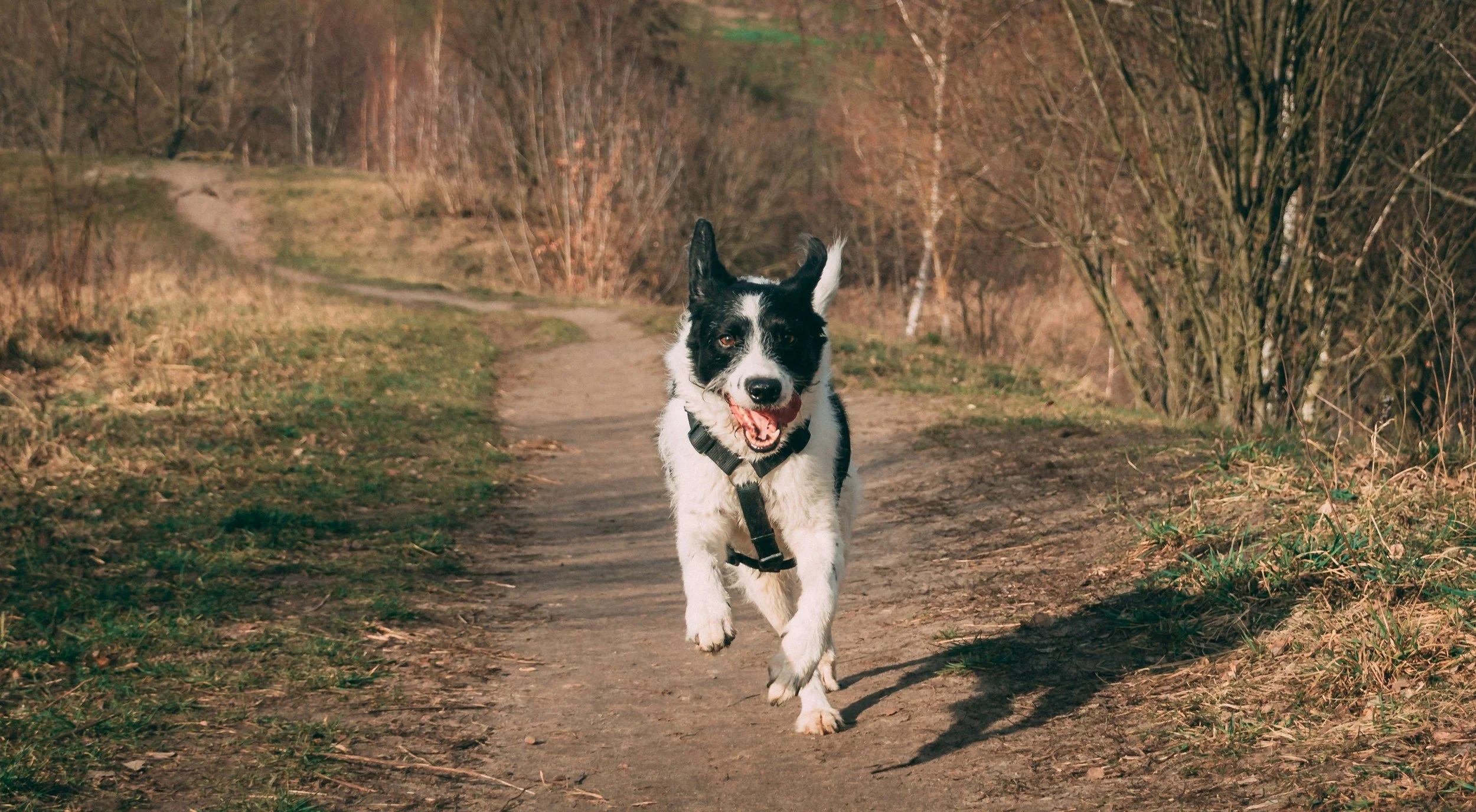
Engaging your dog’s mind with puzzles and scent games supports emotional health as outdoor time decreases in fall.
As autumn approaches and daylight hours dwindle, many dog owners notice changes in their pets’ behavior. Shorter days often mean less outdoor time and fewer natural opportunities for stimulation, which can lead to boredom, restlessness, and even anxiety in dogs.
Denise Bozenski, founder of Revive & Thrive Canine Wellness, explains, “Mental enrichment becomes even more critical as the seasons change. Providing engaging activities keeps your dog’s mind sharp and supports emotional well-being when physical exercise may be limited.”
Learn more about Denise HERE!
Why Mental Enrichment Matters in Fall and Winter
Dogs need more than physical exercise to thrive — their brains require challenges and stimulation to stay healthy. When daylight shortens and weather limits outdoor adventures, mental enrichment helps fill that gap, preventing negative behaviors such as chewing, digging, or excessive barking.
Check out our blog, The Importance of Exercise for Dogs, for more tips on how to exercise your dog!
Denise shares, “Mental stimulation helps regulate your dog’s stress response and promotes calmness. It also enhances focus and learning ability, which benefits all aspects of training and daily life.”
Types of Mental Enrichment to Try
Puzzle Toys and Treat Games
Interactive toys that require problem-solving to access treats engage your dog’s natural curiosity and cognitive skills. Denise recommends rotating puzzles regularly to keep them novel.
Check out our blog, Why Playtime is Critical for Holistic Dog Health, for more information on why play is so important!
Scent Work and Nose Games
Harnessing a dog’s powerful sense of smell through scent tracking or hide-and-seek games offers deep mental satisfaction. “Nose work taps into a dog’s instinctual behaviors, which is both tiring and fulfilling,” Denise explains.
Training New Tricks or Commands
Teaching new skills challenges your dog’s brain and strengthens your bond. Even short, consistent training sessions can provide valuable mental exercise during darker days.
Food Enrichment
Using slow feeders, treat-dispensing balls, or homemade frozen treats encourages problem-solving and extends mealtime into a stimulating activity.
Curious about anti-inflammatory foods? Check out our blog, Anti-Inflammatory Foods Every Dog Can Benefit From.
Supporting Mental Health Through Routine and Environment
Maintaining a consistent daily routine provides predictability, which helps reduce anxiety during seasonal changes. Creating a calm, enriched indoor environment with varied toys, comfortable resting spots, and sensory enrichment can further support your dog’s emotional balance.
Denise notes, “Small changes in the home environment and daily habits can make a big difference in your dog’s mental health as daylight decreases.”
When to Seek Professional Support
If your dog exhibits signs of significant anxiety or behavioral changes during fall and winter, consulting with a certified canine behavior specialist or holistic pet health coach is invaluable. They can help design a tailored mental enrichment plan and address underlying emotional needs.
Denise concludes, “Proactively supporting your dog’s mental well-being during seasonal shifts sets the foundation for long-term happiness and resilience.”
As the days grow shorter, prioritizing your dog’s mental enrichment helps maintain their happiness, calmness, and overall well-being. Ready to create a personalized mental stimulation plan for your dog this fall? Contact Revive & Thrive Canine Wellness for expert guidance and support. Get started HERE!
FAQs
Can mental enrichment replace physical exercise?
Mental enrichment complements but does not replace physical activity. Both are essential for holistic health.
How much mental stimulation does my dog need daily?
This varies by age, breed, and individual needs, but 15-30 minutes of focused enrichment is a good starting point.
What if my dog isn’t interested in puzzles or training?
Try different types of enrichment like scent work or food games — every dog has unique preferences.