Finding Calm When Your Dog Is Struggling
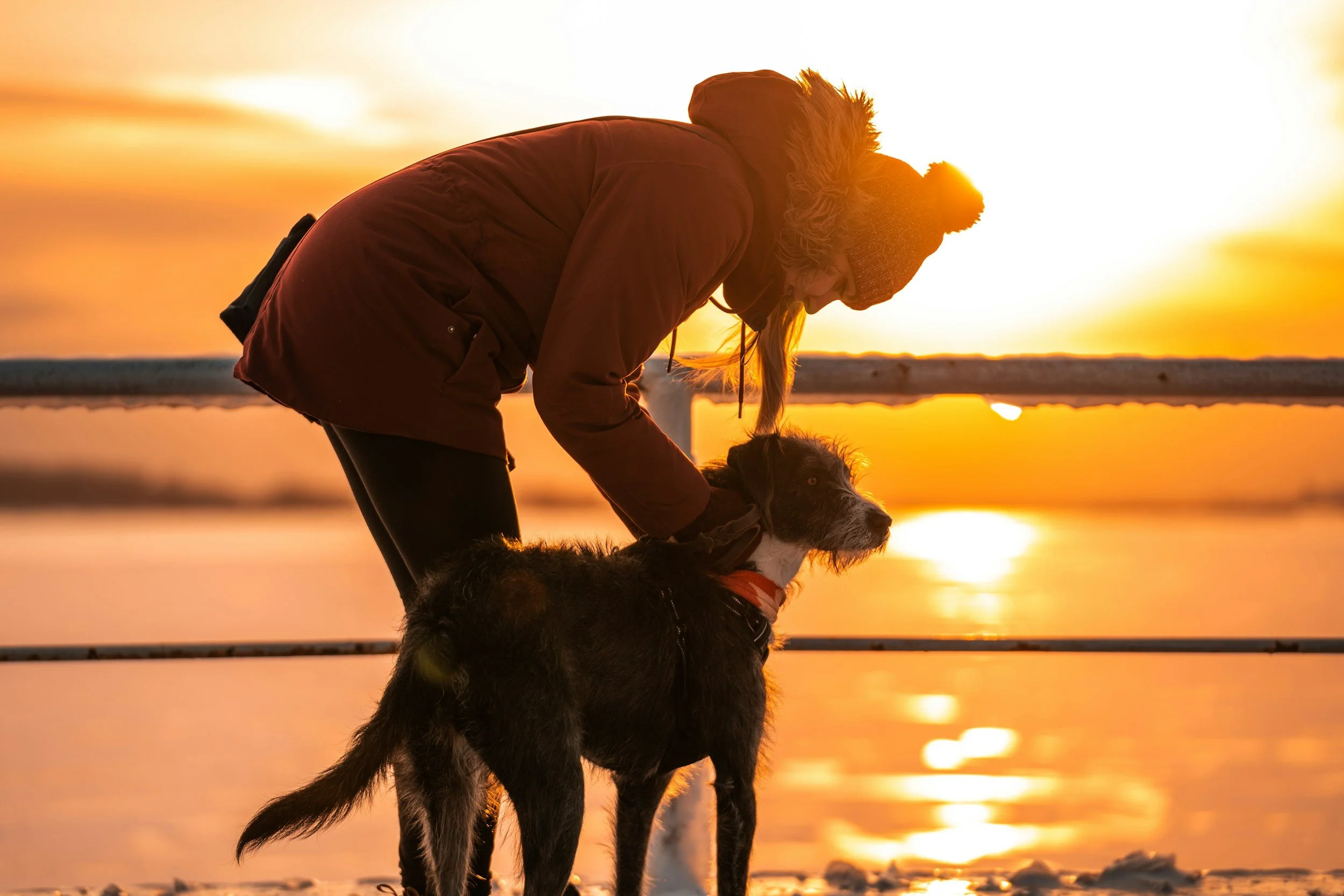
Helping your dog through tough times starts with love, presence, and self-care; because caring for yourself allows you to care for them fully.
Caring for a dog is one of the most rewarding experiences in life. They bring us companionship, unconditional love, and joy—but their journey with us also has challenging stages. For many pet parents, the most difficult times are when a beloved dog faces illness, chronic pain, or is preparing to transition at the end of life.
These moments often bring overwhelming stress, guilt, and exhaustion. Yet learning how to care for yourself during your dog’s toughest stages allows you to show up with clarity, compassion, and presence—for both your pet and yourself.
As Denise Bozenski, Certified Holistic Pet Health Coach and founder of Revive & Thrive Canine Wellness, explains: “It’s never easy watching your dog suffer or decline. But if you’re drowning in stress and grief, you can’t be the calm, steady presence your dog needs. Caring for yourself is part of caring for them.”
Learn more about Denise HERE!
Why Stress Hits So Hard in These Stages
The bond between a dog and their person is unique, it’s emotional, physical, and often spiritual. When that bond feels threatened by illness or the reality of limited time, stress can show up in powerful ways.
Denise shares: “I see pet parents who aren’t sleeping, who are skipping meals, who live in constant fight or flight. They’re trying to carry everything, but the body and mind can only hold so much.”
Common stress responses during a pet’s illness or end-of-life stage may include:
- Constant worry and anticipatory grief
- Sleepless nights or disrupted rest
- Physical symptoms like headaches, muscle tension, or gut upset
- Emotional swings between anger, guilt, and deep sadness
Understanding these responses is the first step in learning how to soften them.
How to Handle Stress When Your Dog Has Health Issues
When your dog is battling a chronic condition, recovering from a procedure, or needs daily medical support, it’s easy to burn yourself out. This is when stress management becomes just as important for you as medical care is for them.
Regulate Your Nervous System
Short, intentional practices can shift you out of survival mode.
- Deep breathing: inhale slowly, hold for four seconds, exhale longer than you inhale.
- Grounding: place your hand on your dog’s chest and sync your breath with theirs.
- Micro-breaks: step outside for two minutes of fresh air before giving meds or treatments.
“Your dog feels safer when you are calm. If you take 60 seconds to regulate before helping them, you’re showing up with steadier energy and they notice,” says Denise.
Holistic Tools for Stress Relief
Holistic practices provide simple but powerful ways to ease tension.
- Essential oils for caregivers: Lavender, frankincense, and bergamot can calm the nervous system. Diffuse them in your space or apply (diluted) to your wrists before caregiving tasks.
- Herbal teas: Chamomile, lemon balm, or passionflower tea can gently relax the body before bed.
- Acupressure points: Massaging the Heart 7 point (at the wrist crease) can ease anxiety, while Pericardium 6 (inner forearm) helps regulate nausea and stress.
“I use these tools myself,” Denise shares. “A few drops of lavender in the diffuser or pressing an acupressure point can change how your whole body responds to stress.”
Check out our blog, Acupressure vs. Acupuncture for Dogs: Benefits Explained, to learn how acupressure can benefit your dog as well as yourself.
Allow Yourself Support
Caring for a sick dog is not a solo act. Ask for help with meals, housework, or even a shift in caregiving if you need rest.
“We want to be everything for our dogs, but burnout doesn’t honor them. Sometimes the most loving thing you can do is let someone else step in for a moment,” Denise emphasizes.
And above all, remember to love your dog in the simplest ways, sit with them, pet them, talk to them. Sometimes presence and affection are more powerful than any treatment.
Handling Stress When Your Dog Is Ready to Transition
When a dog is nearing the end of their journey, the emotional weight can feel crushing. Anticipatory grief often mixes with guilt; worrying about “the right time,” questioning decisions, or fearing the silence after they’re gone.
Create Rituals of Peace
Simple, grounding rituals help bring a sense of control and meaning.
- Light a candle during quiet moments with your dog.
- Play calming music or mantras during rest.
- Use gentle touch, massage, or aromatherapy to bring comfort.
“Rituals don’t just calm your dog, they calm you. They create a sense of peace in the storm, and those moments are often what families remember most,” Denise explains.
Learn how sound and freqiencies can benefit you and your dog in our blog, The Power of Sound: How Sound Frequencies Can Help Your Dog Heal.
Use Holistic Calming Practices for Yourself
- Breathwork meditation: Practice a few minutes of “box breathing” (inhale for 4, hold for 4, exhale for 4, hold for 4).
- Aromatherapy anchor: Choose one calming scent (like frankincense or rose). Use it during this time so the scent becomes a grounding anchor whenever emotions feel overwhelming.
- Gentle movement: Restorative yoga or even stretching before bed helps the body release tension stored during the day.
Give Yourself Permission to Rest
It’s common for pet parents to sacrifice their own sleep and health during this time. Yet rest is essential. Even short naps, guided meditations, or herbal teas before bed can help regulate your body through grief.
“Your dog doesn’t want you to collapse. They want you to sit with them, present and calm. Rest helps you give them that gift,” says Denise.
This stage isn’t about doing everything perfectly. It’s about loving your dog fully in each moment you have left, whether that’s a soft touch, a whispered thank you, or just lying beside them.
You're learning to rest yourself, but also learn how rest is important for your dog in our blog, The Importance of Sleep and How to Improve It for Your Dog.
Turning Stress Into Connection
While stress is inevitable during these stages, it can also deepen the bond you share with your dog. By caring for yourself, you create more space for presence, gratitude, and love in their final chapter.
Denise sums it up beautifully: “Self-care in these moments isn’t about escaping the pain, it’s about giving yourself the strength to be fully there. Your dog doesn’t ask for perfection, just your presence and your love. When you take care of yourself, you make space to give them both fully and freely.”
If you’re feeling overwhelmed caring for your dog during illness or transition, you don’t have to navigate it alone. At Revive & Thrive Canine Wellness, we offer guidance, holistic strategies, and personalized support to help you care for yourself and your dog.
“Even small steps toward self-care create space for presence and love,” says Denise.
Reach out today to schedule a consultation or join our supportive community. Let us help you show up fully for your dog while honoring your own well-being. Get started HERE.
FAQs
How do I know if I’m too stressed to care properly for my dog?
If you’re noticing extreme exhaustion, irritability, or a sense of detachment, it’s a sign you need rest and support. Even short breaks can help you return to your dog with more clarity and patience.
What holistic practices help pet parents cope with stress during a dog’s illness?
Essential oils like lavender or frankincense, acupressure points such as Heart 7, herbal teas, and gentle breathwork are all powerful ways to calm the nervous system and bring balance.
How do I cope with the guilt of making end-of-life decisions?
Remind yourself that choosing peace for your dog is an act of love. Pair journaling with calming practices like aromatherapy or meditation to process emotions. Speaking with a holistic coach or grief support group can also help you move through the guilt.