The Power of Sound: How Sound Frequencies Can Help Your Dog Heal
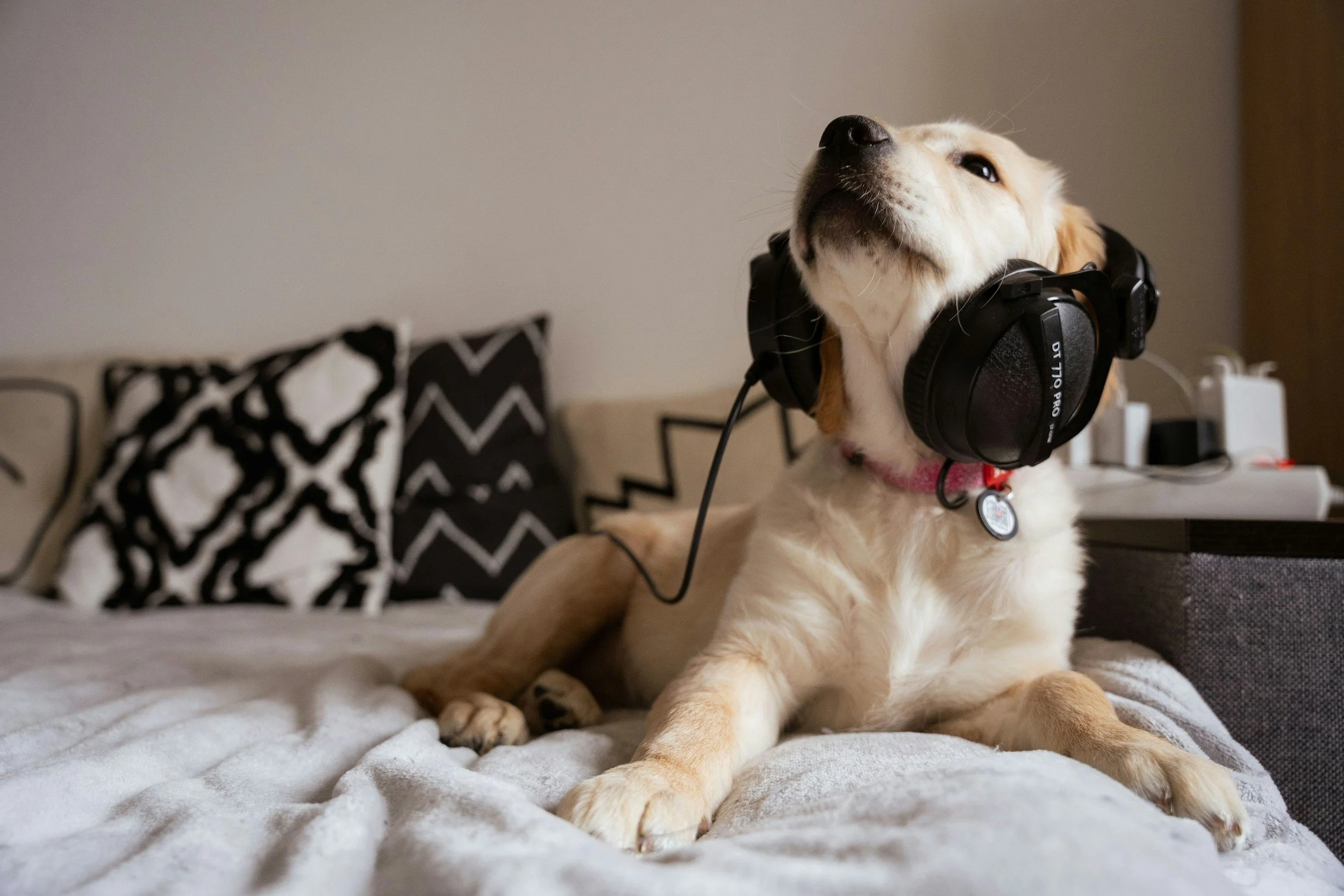
Sound healing with specific frequencies like 432 Hz can help your dog relax, recover, and thrive naturally.
Sound isn’t just something your dog hears, it’s something they feel, and it can profoundly affect their body, mind, and nervous system. From calming anxiety to supporting physical healing, sound frequencies and sound healing practices are emerging as powerful tools in holistic canine wellness.
At Revive & Thrive Canine Wellness, we incorporate sound healing as part of a comprehensive approach to help dogs find balance, calm, and resilience in a world full of stressors.
What Is Sound Healing for Dogs?
Sound healing uses specific tones, frequencies, and vibrations to help regulate the nervous system, promote relaxation, and support cellular healing in the body. Tools such as tuning forks, singing bowls, or carefully curated frequency music can be used during sessions or integrated into your dog’s home environment.
“Dogs are deeply sensitive to energy and vibration,” explains Denise Bozenski, certified holistic pet health coach and founder of Revive & Thrive Canine Wellness. “Using the right sound frequencies can help dogs release tension, reduce anxiety, and even support physical healing by calming the nervous system.”
Learn more about Denise HERE!
How Sound Affects Your Dog’s Nervous System
Your dog’s nervous system is influenced by the environment around them, including sound. Harsh, inconsistent noises can create stress, while rhythmic, calming sounds can help bring your dog into a parasympathetic (rest-and-digest) state.
When your dog’s body is in this state, they can:
- Digest food more effectively
- Heal more efficiently
- Sleep better
- Feel calmer and more emotionally balanced
Benefits of Sound Healing for Dogs
Reduces Anxiety and Stress
Sound frequencies can help soothe anxious or reactive dogs by gently calming the nervous system, making it easier for them to relax.
For more ways on how to help manage your dog's stress, read our blog, Addressing Anxiety in Dogs: Natural Stress Management Tips.
Supports Physical Healing
Vibrational frequencies can help improve circulation and cellular communication, supporting tissue healing and reducing inflammation in the body.
Improves Sleep and Recovery
Relaxing sound frequencies can help dogs settle, improving their quality of rest, which is essential for recovery and overall wellness.
Read more about sleep and your dog in our blog, The Importance of Sleep and How to Improve It for Your Dog.
Enhances Bonding
Sound healing sessions can deepen your connection with your dog, providing a shared calming experience that builds trust.
“Sound healing isn’t about fixing a problem overnight,” Denise adds. “It’s a supportive tool that complements bodywork, nutrition, and lifestyle choices to help your dog thrive.”
Understanding Specific Frequencies for Dogs
Sound healing uses particular frequencies (measured in Hz) to influence the nervous system and cellular processes. Some commonly used frequencies for dogs include:
- 396 Hz: Helps release fear and guilt, supporting emotional relaxation.
- 417 Hz: Supports change and helps clear negative energy.
- 432 Hz: Known as the “frequency of nature,” promoting deep calm and harmony.
- 528 Hz: Supports cellular repair and stress reduction.
- 639 Hz: Promotes emotional balance and connection.
- 852 Hz: Helps promote inner peace and clarity.
“Different frequencies can support different needs,” Denise explains. “For general relaxation, 432 Hz and 528 Hz are excellent for calming a dog’s nervous system. For dogs recovering from emotional trauma or stress, 396 Hz or 417 Hz may help them settle into a more grounded, balanced state.”
Using these frequencies can be as simple as playing high-quality frequency music during rest times or during massage and bodywork sessions, or by working with a practitioner trained in tuning fork therapy.
Safe Ways to Use Sound Healing with Your Dog
Tuning Fork Therapy
Tuning forks can be gently used around your dog’s body to deliver specific frequencies that support relaxation and healing. A trained practitioner can use tuning forks to address areas of tension or discomfort.
Frequency Music
Music specifically created for canine relaxation often uses the frequencies listed above, which are known to promote calm and healing.
Singing Bowls
The vibrations from crystal or Tibetan singing bowls can help dogs relax during sessions, allowing them to release tension and settle.
Creating a Calm Sound Environment
Beyond intentional sound healing, reducing harsh background noise and providing a calm auditory environment can significantly support your dog’s nervous system.
“A well-chosen frequency can be the difference between a restless dog and a deeply relaxed dog during recovery,” Denise notes.
Supporting Your Dog’s Well-Being Through Sound
Sound healing is a gentle, non-invasive tool that can help your dog feel calmer, recover from stress, and support their body’s natural healing processes. Combined with a holistic lifestyle, sound can be a powerful ally in your dog’s wellness journey.
If you’re interested in exploring how sound healing can support your dog, contact Revive & Thrive Canine Wellness to learn how personalized sound therapy sessions can complement your dog’s holistic wellness plan. Get started HERE!
FAQs
Can all dogs benefit from sound healing?
Most dogs can benefit from the calming and supportive effects of sound healing. However, it’s important to introduce sound therapies gently, especially for noise-sensitive dogs.
How often should I use sound healing for my dog?
You can use sound healing as part of a daily relaxation routine or during stressful times, like storms or post-vet visits, to help your dog calm and recover.
Can specific frequencies help my dog relax?
Yes, frequencies like 432 Hz and 528 Hz can help calm your dog’s nervous system, while others like 396 Hz and 417 Hz may support emotional release and balance. Sound frequency therapy can be a gentle way to complement your dog’s holistic wellness plan.