Supporting Your Dog’s Vagus Nerve for Better Health
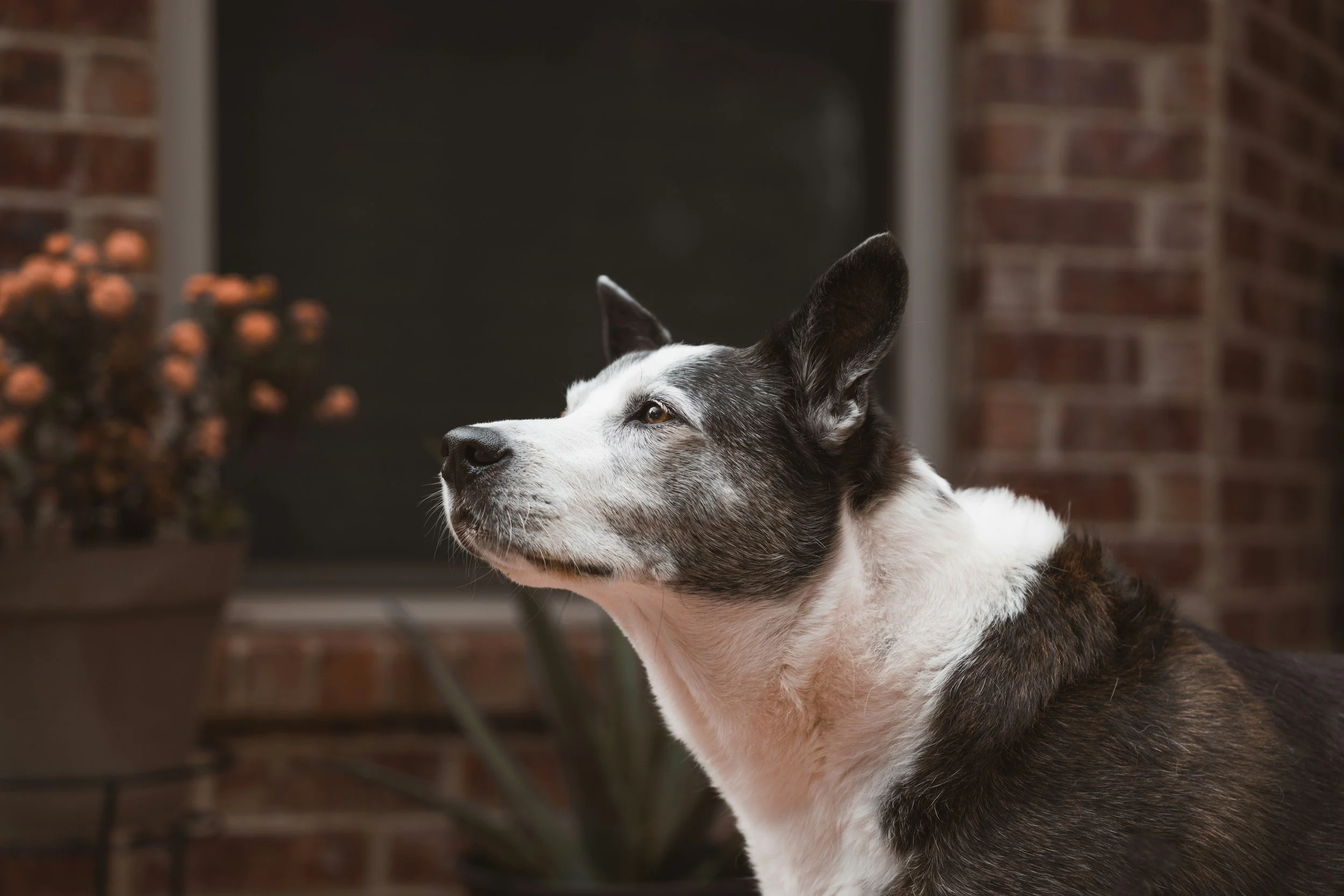
Supporting your dog's vagus nerve helps improve digestion, reduce anxiety, and promote calm, balanced behavior naturally.
Many dog owners focus on food, exercise, and training, but few realize the role the vagus nerve plays in their dog’s wellness. This long nerve acts as a communication superhighway between the brain and body, influencing digestion, heart rate, immune health, and the ability to calm down and recover from stress.
Denise Bozenski, certified holistic pet health coach and founder of Revive & Thrive Canine Wellness, shares, “The vagus nerve is one of the most overlooked parts of your dog’s health. Supporting it can make a huge difference in how your dog feels and behaves day to day.”
When your dog’s vagus nerve is functioning well, it helps them shift from stress into a calm, restful state. This is especially important for dogs with anxiety, reactivity, digestive challenges, or difficulty settling after excitement.
Learn more about Denise HERE!
Understanding the Vagus Nerve in Dogs
The vagus nerve is the longest cranial nerve in your dog’s body, extending from the brainstem down into the chest and abdomen. It is a key part of the parasympathetic nervous system, often called the “rest and digest” system, which helps your dog recover from stress and maintain stable digestion.
Many dogs get stuck in a chronic state of stress due to poor diet, inconsistent routines, or lack of proper recovery practices. Supporting your dog’s vagus nerve helps bring their body back into balance, making it easier for them to settle, digest food properly, and handle life’s stressors without becoming overwhelmed.
Denise explains, “When we support the vagus nerve, we’re helping the body and brain work together, which can reduce anxiety and improve digestion. It’s a simple yet powerful way to help our dogs thrive.”
Practical Ways to Support Your Dog’s Vagus Nerve
Gentle Neck Massage
Light massage around your dog’s neck, especially at the base of the skull and down the sides, can help stimulate the vagus nerve and encourage relaxation. Use slow, calm movements to avoid overstimulation.
Learn more about canine massage in our blog, The Benefits of Canine Massage.
Calm Breathing Together
Dogs mirror your energy. Spending quiet time breathing calmly while sitting with your dog can help them shift into a parasympathetic state, indirectly supporting vagal tone.
Nutrition for Gut Health
A species-appropriate, fresh food diet supports gut health, which is closely connected to the vagus nerve. Gut inflammation can interfere with vagal signaling, so focusing on quality nutrition is foundational for vagus nerve health.
Denise shares, “I often see digestive improvements in dogs when we focus on gut health. It’s amazing how this can help reduce anxiety and reactivity, too.”
Acupressure and Ear Stimulation
Certain acupressure points and gentle ear massages can help activate the vagus nerve pathways, supporting your dog’s ability to relax and recover from stress.
Check out our blog, Acupressure vs. Acupuncture for Dogs: Benefits Explained, for more information on how acupuncture can be helpful.
Structured Movement
Regular, low-stress movement, such as calm leash walks, supports the nervous system without overstressing your dog, helping maintain healthy vagal function.
Consistent Rest and Recovery
A consistent daily routine with quality rest is essential for vagus nerve health. Creating a calm environment and allowing for proper recovery after activity can help your dog feel more balanced and secure.
Signs Your Dog May Benefit from Vagus Nerve Support
Digestive Issues
Dogs with poor vagal tone may experience bloating, reflux, or inconsistent stools.
Anxiety and Reactivity
Difficulty settling after excitement, constant barking, or reactivity can be related to poor vagus nerve function.
To learn more about stress and anxiety in dogs, read our blog Addressing Anxiety in Dogs: Natural Stress Management Tips.
Slow Recovery from Stress
If your dog struggles to recover after exercise or stressful events, this may indicate a need for vagus nerve support.
Denise says, “Supporting the vagus nerve isn’t about chasing symptoms. It’s about creating a foundation that helps your dog’s body respond to stress in a healthier way.”
Final Thoughts on the Vagus Nerve and Your Dog’s Wellness
Supporting your dog’s vagus nerve can play a significant role in improving their overall health, reducing anxiety, and supporting better digestion. By incorporating gentle massage, structured movement, proper nutrition, and consistent recovery into your dog’s routine, you can help them feel calmer, healthier, and more balanced in their daily life. If you'd like to do more to help regulate your dog's vagus nerve, contact Revive & Thrive Canine Wellness for a free discovery call.
Frequently Asked Questions
What does the vagus nerve do in dogs?
The vagus nerve helps regulate digestion, heart rate, immune response, and your dog’s ability to calm down and recover from stress, playing a central role in their wellness.
How can I support my dog’s vagus nerve at home?
You can support your dog’s vagus nerve through gentle neck massages, calm breathing, a species-appropriate diet, structured movement, and consistent rest.
Can supporting the vagus nerve help with my dog’s anxiety?
Yes, supporting the vagus nerve can help your dog shift from a stressed state into a calmer, more balanced state, which can reduce anxiety and reactivity.
To stay up on the latest expert advice for all things holistic dog wellness and care, subscribe to our newsletter!