Raw Feeding Myths: Debunking Common Misconceptions
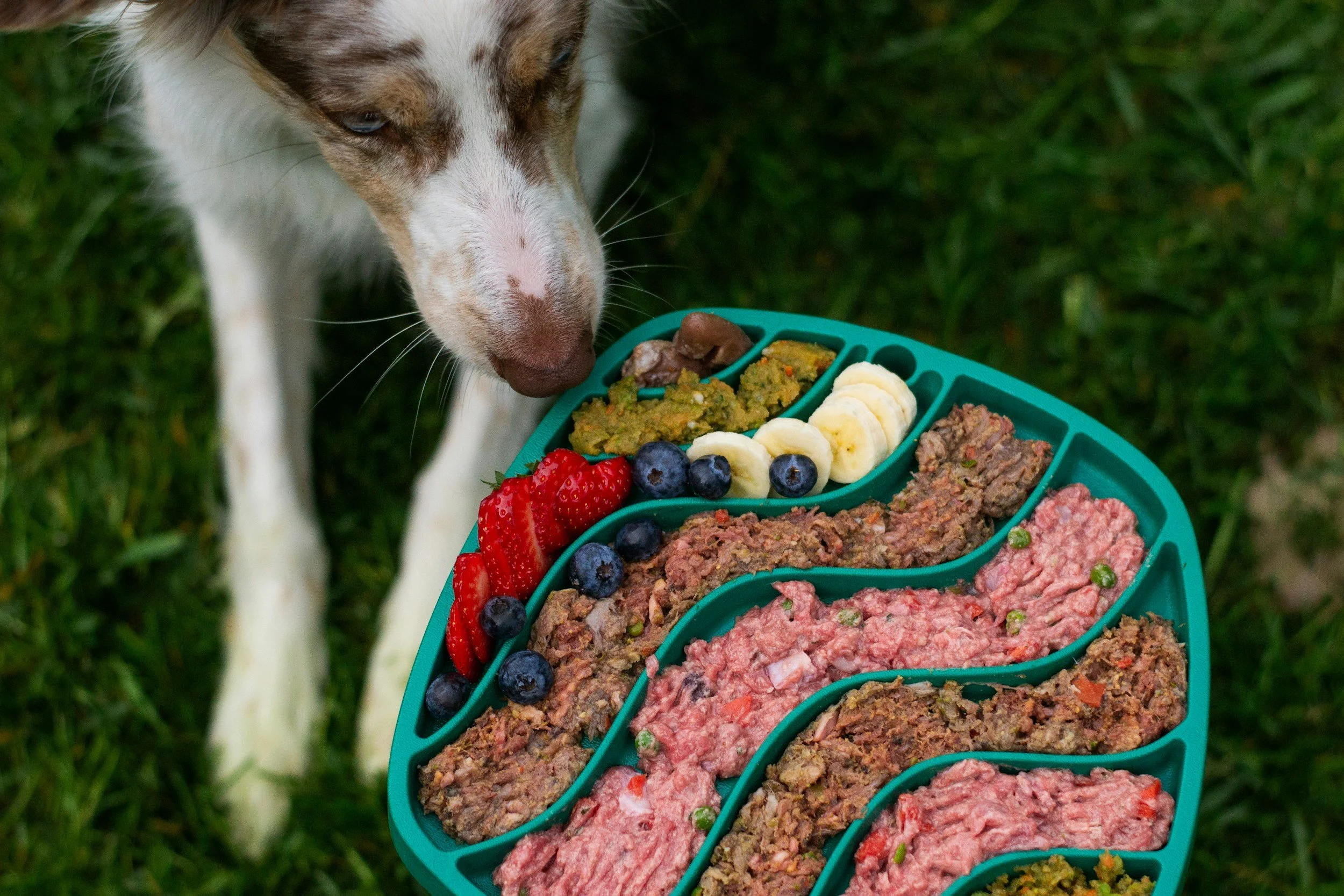
Nourish your dog naturally with balanced raw food diets designed to support digestion, immune health, and vitality.
Raw feeding has gained momentum as a natural, species-appropriate way to nourish dogs. Yet, despite its growing popularity, many myths and misconceptions cause confusion or hesitation among dog owners. Denise Bozenski, founder of Revive & Thrive Canine Wellness, explains why understanding these myths is essential to making informed nutrition choices that truly benefit your dog’s health and longevity.
“Raw feeding isn’t just a trend or a simple diet swap,” Denise shares. “It’s about honoring the natural biology of dogs and providing nutrient-dense, whole foods that support every aspect of their well-being—from digestion to immune resilience to cognitive health.”
Learn more about Denise HERE!
Myth 1: Raw Feeding Is Unsafe Because of Bacteria
Concerns about bacteria like Salmonella and E. coli often discourage owners from trying raw feeding. While raw meat can harbor bacteria, Denise emphasizes that proper sourcing and food safety practices mitigate these risks effectively.
“Commercial raw diets made from USDA-inspected meats, combined with strict hygiene, such as sanitizing preparation areas and freezing meat to kill parasites, dramatically reduce potential hazards,” she explains. “Even cooked foods can carry bacteria if mishandled.”
She encourages owners to treat raw feeding with the same caution as handling any fresh meat: using separate prep surfaces, washing hands thoroughly, and storing food at correct temperatures.
Myth 2: Raw Feeding Is Too Expensive and Time-Consuming
Many assume raw feeding demands excessive time and financial investment. Denise acknowledges that while it may require some initial adjustment, strategic planning can make raw feeding both manageable and cost-effective.
“Buying in bulk from local farms or trusted suppliers, preparing meals in batches, and freezing portions streamline the process,” she says. “Plus, healthier dogs often mean lower veterinary bills and fewer supplements or medications, which offsets costs.”
She also notes that feeding a variety of fresh, species-appropriate whole foods can balance convenience and nutrition without compromise.
Myth 3: Raw Diets Are Nutritionally Incomplete
Balanced nutrition is critical, whether you feed raw, cooked, or commercial diets. Denise stresses that improperly formulated raw diets can lead to nutrient deficiencies or imbalances.
“This is why working with certified canine nutritionists or holistic pet health coaches is invaluable,” she says. “They understand how to incorporate muscle meat, organ meat, bone, and supplements to ensure your dog receives complete protein, essential fatty acids, vitamins, and minerals.”
Denise recommends avoiding generic “one-size-fits-all” raw plans and instead opting for personalized protocols that consider age, activity level, health status, and breed-specific needs.
Myth 4: Only Veterinarians Can Formulate Raw Diets
While veterinary nutritionists possess specialized knowledge they get very minimal coursework on nutrition. Denise highlights the growing role of holistic pet health coaches and certified canine nutritionists in supporting raw feeding.
“These professionals undergo rigorous training and bring a holistic perspective that integrates nutrition with overall wellness,” she explains. “They can empower pet parents to understand and create balanced raw diets, monitor progress, and adjust plans as needed.”
This collaborative approach bridges veterinary medicine with natural health strategies, offering well-rounded support.
Myth 5: Raw Feeding Leads to Aggression
There is no scientific basis to suggest raw feeding causes aggression. Denise points out that behavior is influenced by genetics, training, socialization, and environment.
In fact, recent research highlights that poor gut health can contribute to behavioral issues, including increased aggression. Raw diets, rich in natural enzymes, probiotics, and highly digestible proteins, often help improve gut microbiome balance and overall digestive health.
“When dogs have a healthy gut, they tend to have more stable energy and better mood regulation, which supports positive behavior,” Denise explains. “Nutrition is a foundational piece of the puzzle, but behavioral challenges should always be addressed holistically with training and enrichment as well.”
Learn more about nutrition and gut health in our blog, Fermented Foods for Dogs: A Natural Boost for Gut and Immune Health.
Myth 6: Raw Feeding Is Only for Working Dogs or Athletes
Raw feeding is beneficial for dogs at all life stages and activity levels when appropriately tailored.
“Senior dogs may require modified raw diets that focus on joint support and easy digestion,” Denise notes. “Likewise, less active or smaller breed dogs benefit from nutrient-dense meals that maintain healthy weight and vitality.”
Individualized meal plans are key to meeting diverse needs across ages and lifestyles.
Learn how to help your senior dog thrive in our blog, Caring for Senior Dogs: Helping Them Thrive in Their Golden Years.
Why Raw Feeding Can Be a Powerful Tool for Canine Wellness
When properly balanced, raw feeding offers multiple health benefits:
- Optimized Digestion: Raw diets often include natural enzymes and fewer fillers, supporting smoother digestion and reducing common issues like bloating or diarrhea.
- Enhanced Skin and Coat: Nutrient-rich fats and antioxidants promote a glossy coat, reduce inflammation, and alleviate allergies.
- Stronger Immune System: Whole-food nutrients help bolster immune defenses against illness.
- Improved Dental Health: Chewing raw meaty bones encourages healthy gums and reduces plaque accumulation.
- Sustained Energy: Nutrient density helps maintain consistent energy levels, crucial for working dogs and active pets.
- Weight Management: Controlled portions and high-quality proteins support lean muscle and healthy weight.
Denise emphasizes, “Raw feeding is a foundational pillar of holistic canine health. But it must be approached thoughtfully and tailored to the individual dog.”
How to Safely Begin Raw Feeding
Transitioning to raw feeding requires care and expertise:
- Start Gradually: Slowly introduce raw foods alongside your dog’s current diet to allow their digestive system to adjust.
- Seek Professional Guidance: Collaborate with certified canine nutritionists or holistic pet health coaches to develop a balanced plan.
- Prioritize Hygiene and Quality: Source meats from reputable suppliers and maintain strict food safety practices.
- Monitor and Adjust: Track your dog’s health, stool quality, energy, and behavior, and adapt the diet as needed.
For more information on how to transition your dog's diet, check out our blog, How to Transition Your Dog to a Fresh Food Diet.
Raw feeding is more than a diet — it’s a holistic wellness strategy that, when done correctly, can transform your dog’s health and vitality. Denise is passionate about supporting pet parents on this journey, offering expert guidance and personalized nutrition coaching every step of the way.
Ready to explore how raw feeding can elevate your dog’s well-being? Book a consultation today to create a balanced, customized plan designed for your dog’s unique needs. Get started HERE!
Frequently Asked Questions
Can raw feeding cause nutritional deficiencies?
Raw feeding demands precision in formulation to ensure complete nutrition. Certified canine nutritionists and holistic pet health coaches have the expertise to design diets that meet your dog’s exact needs, preventing deficiencies and supporting optimal health.
How do I transition my dog safely to a raw diet?
A gradual, monitored transition is essential. Holistic pet health coaches guide owners step-by-step, considering your dog’s age, digestive health, and lifestyle to create a smooth, stress-free changeover.
Is raw feeding suitable for every dog?
While many dogs thrive on raw diets, individual health conditions, age, and activity levels require tailored approaches. Professionals in holistic pet health and nutrition help determine if raw feeding fits your dog’s unique profile and customize meal plans accordingly.