Does Your Dog’s Harness Fit Properly? Why Fit Matters for Comfort, Safety, and Natural Movement
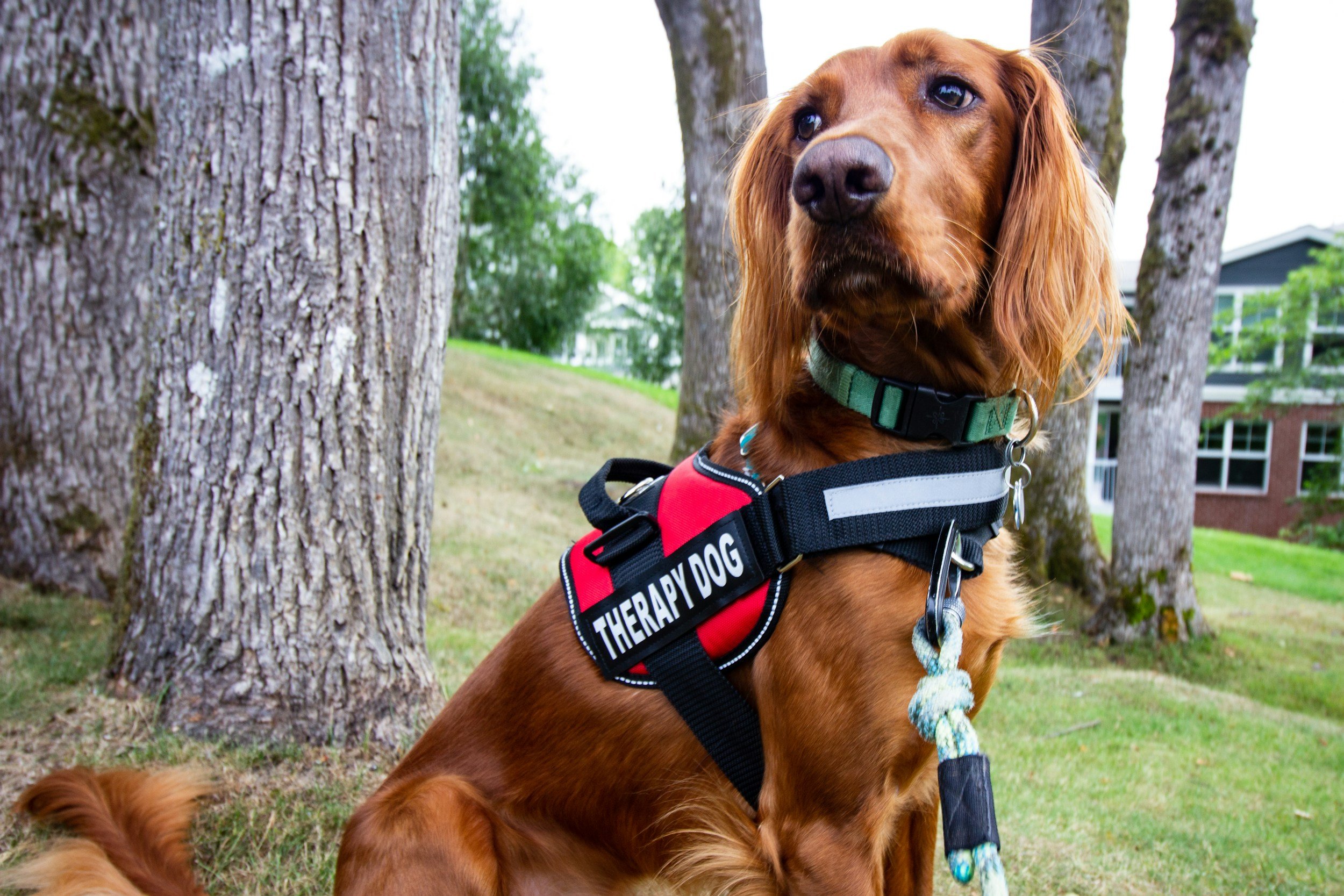
A properly fitted harness supports your dog’s comfort and natural movement, preventing discomfort and promoting a healthy, active lifestyle.
Many dog parents use harnesses, cooling vests, or working dog vests without realizing how much a poor fit can impact their dog’s comfort and natural movement. An ill-fitting harness can dig into your dog’s shoulders, restrict their gait, cause rubbing and hot spots, or even compress the neck and chest in ways that affect breathing and lymph flow.
At Revive & Thrive Canine Wellness, we emphasize the importance of a properly fitted harness for your dog’s health, whether they’re a family companion, an adventure dog, or a working K9.
Why a Proper Fit Matters
Dogs rely on their full range of motion for healthy joints, fascia, and muscular balance. When a harness is too tight, it can compress soft tissue, alter your dog’s gait, and create unnecessary tension in the neck, shoulders, and back.
“Imagine trying to run or hike in a backpack that digs into your shoulders or restricts your arm swing,” says Denise Bozenski, certified holistic pet health coach and founder of Revive & Thrive Canine Wellness. “Dogs experience the same discomfort when their vest isn’t fitted correctly.”
Learn more about Denise HERE!
A poor fit can also cause:
- Chafing and sores where straps rub against skin
- Restricted breathing if the vest compresses the chest
- Pressure on the trachea if straps sit too high on the neck
- Altered posture and gait that can lead to joint and soft tissue issues
Read more about exercise for your dog in our blog, The Importance of Exercise for Dogs.
Signs Your Dog’s Vest Doesn’t Fit Properly
Difficulty Moving Naturally
If your dog seems stiff, reluctant to walk, or is tripping or stumbling while wearing the harness, it may be restricting their shoulder movement or causing discomfort.
Rubbing or Hair Loss
Check under the vest for signs of redness, hair loss, or sores, especially around the shoulders, armpits, and neck area.
Heavy Panting or Stress
Excessive panting, licking at the vest, or scratching at it can indicate your dog is uncomfortable or overheated.
Hesitation to Wear the Vest
If your dog resists putting the harness on, it could be a sign it’s uncomfortable or has created a negative association due to poor fit.
Tips for Choosing and Fitting a Vest Correctly
Measure Before You Buy
Use a flexible measuring tape to measure your dog’s chest, neck, and length to ensure you select the correct size. Refer to manufacturer sizing guides for the brand you’re purchasing.
Adjust for a Snug, Not Tight Fit
The harness should sit securely without shifting excessively but should not compress your dog’s body. You should be able to fit two fingers comfortably between the straps and your dog’s body.
Check for Shoulder Freedom
Ensure your dog can move their shoulders fully without restriction. Watch them walk and trot while wearing the vest to assess their gait.
Avoid Neck Compression
Straps should sit low enough on the chest to avoid pressure on the trachea while still providing control.
Choose Breathable Materials
Opt for lightweight, breathable materials, especially for warm weather, to avoid overheating and discomfort.
“A well-fitted harness should support your dog’s activities, not hinder them,” Denise adds. “Taking the time to fit your dog properly can prevent injuries and make your outings more enjoyable for both of you.”
Supporting Your Dog’s Comfort and Mobility
Your dog’s harness is more than just a tool—it’s a part of their wellness. Whether you’re using a harness for walking, cooling, or working, ensuring it fits properly can prevent discomfort and long-term issues while supporting your dog’s ability to move freely and comfortably.
For more information on how to care for your senior dog, read our blog, Caring for Senior Dogs: Helping Them Thrive in Their Golden Years.
If you need guidance on fitting your dog’s harness or are unsure if your current setup is working for your dog, contact Revive & Thrive Canine Wellness for a personalized evaluation and support in creating a wellness-focused lifestyle for your dog. Get started HERE!
FAQs
How tight should my dog’s harness be?
A properly fitted harness should be snug enough not to slip but loose enough to allow two fingers to fit comfortably under the straps without digging into your dog’s skin.
Can a vest hurt my dog’s shoulders?
Yes, a harness that restricts shoulder movement can alter your dog’s gait, leading to joint and muscle strain over time.
What’s the best type of harness for my dog?
The best harness depends on your dog’s activity and body shape. Look for adjustable, breathable harnesses that allow shoulder freedom and avoid putting pressure on the trachea.